
Lonchocarpus nitidus
Lonchocarpus nitidus
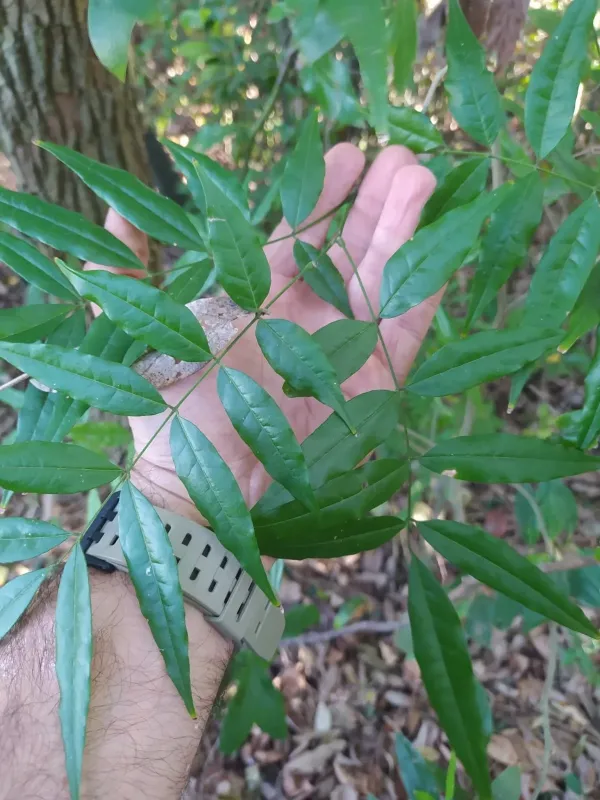
Description
Growing requirements
Lonchocarpus nitidus is a tree species belonging to the Fabaceae family, commonly distributed across tropical regions of the Americas. As a woody plant, it occupies a significant place in the ecosystem of humid forest zones.
The culture thrives in well-drained, nutrient-rich soils that provide sufficient aeration for the roots. Soil management practices should focus on maintaining organic matter content while preventing waterlogging, which the plant does not tolerate well.
Climatic requirements involve a warm, stable environment with minimal seasonal temperature variation. The tree is best suited for tropical or subtropical climates where frost is completely absent throughout the year.
Adequate sunlight exposure is essential for the healthy development of the canopy, although the species can adapt to partial light conditions in its early growth stages. Consistent air humidity contributes to higher survival rates.
In terms of agricultural and economic use, the tree is valued for its durable wood, which is utilized in various construction and craft applications. Furthermore, its ability to fix atmospheric nitrogen contributes to soil fertility improvement in agroforestry systems.
Main diseases and pests
Fungal infections, particularly root rot, pose the most significant threat to the health of the tree, especially when grown in soils with poor drainage. Proper site selection is the primary defense against these pathogens.
Insect pests, including various larvae and leaf-feeding beetles, can cause significant damage to foliage. Regular inspections are recommended to detect infestations early and mitigate potential damage to the plant's health.
Competition from aggressive weeds during the establishment phase can drastically reduce growth rates. Effective control methods, such as mulching or mechanical weeding, are necessary to ensure the saplings grow successfully.
Nutrient imbalances, particularly deficiencies in essential trace elements, can manifest as leaf chlorosis. Foliar analysis and appropriate fertilization schedules help maintain the plant's natural defense mechanisms.
Environmental stress, including extreme weather fluctuations or prolonged drought, can significantly weaken the trees, making them susceptible to secondary pests and various diseases that thrive on stressed plant tissues.