
Lonchocarpus castilloi
Lonchocarpus castilloi
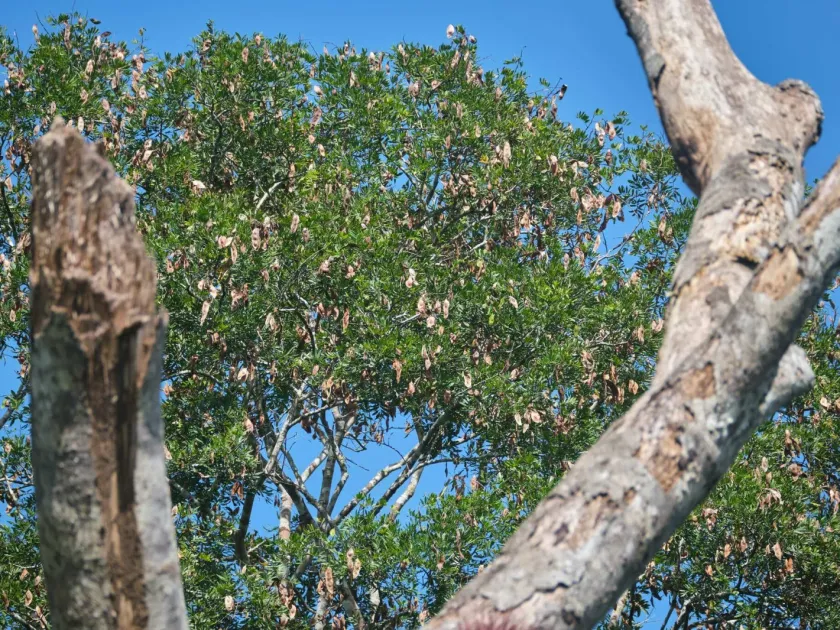
Description
Growing requirements
Lonchocarpus castilloi is a significant tree species belonging to the Fabaceae family, native to the tropical forests of Central America, specifically regions in Belize and Mexico.
The species thrives in warm, humid tropical environments and requires well-drained, deep soil profiles to achieve its full growth potential and avoid waterlogging stress.
Adequate sunlight is essential for the healthy development of this tree, as it generally functions as an emergent or canopy species in its native natural forest habitat.
Cultivation practices involve careful site selection to ensure high fertility levels and protection from excessive wind that can jeopardize the structural integrity of young trees.
Propagation is typically achieved through seeds, which often benefit from professional handling and scarification techniques to enhance germination rates under nursery conditions.
Yield
The primary commercial interest in Lonchocarpus castilloi lies in its high-quality heartwood, commonly known as black cabbage-bark, prized for its density and durability.
This wood is frequently utilized for fine furniture making, tool handles, and high-end artisanal woodwork because of its resistance to natural decay and fungal infestation.
As a member of the legume family, the tree plays a beneficial role in agroforestry systems by fixing atmospheric nitrogen, thereby naturally enriching the local soil quality.
Sustainable harvesting of this timber is vital due to the long maturity periods required for the tree to produce the desired high-quality dark heartwood sections.
Forest management strategies for this species focus on balancing timber yield with the environmental benefits of reforestation and maintenance of tropical biodiversity.