
Lonchocarpus muehlbergianus
Lonchocarpus muehlbergianus
Description
Growing requirements
Lonchocarpus muehlbergianus is a prominent tree species belonging to the legume family, Fabaceae. It is native to the tropical forests of South America, with a natural range encompassing regions in Brazil, Paraguay, and Argentina, where it is a vital forest component.
This species thrives in humid climates and is frequently found along riverbanks and in moist forest basins. It exhibits a strong preference for deep, fertile soils that provide both moisture retention and proper aeration, which are essential for its vigorous growth.
As a light-demanding species, it requires ample solar radiation to reach maturity, though seedlings often benefit from partial shade during their early development. Consistent temperature ranges found in tropical zones are ideal for its physiological processes and seasonal growth cycles.
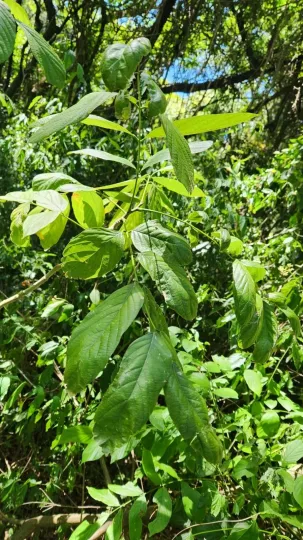
The botanical structure of the tree includes compound leaves and nitrogen-fixing root nodules, which underscore its ecological importance. This nitrogen fixation ability makes it a preferred species for soil enrichment and agroforestry projects aimed at restoring degraded lands.
The economic value of Lonchocarpus muehlbergianus is primarily tied to its high-quality wood, which is utilized in construction, furniture manufacturing, and artisanal crafts due to its structural density and resistance to various environmental stresses.
Main diseases and pests
Common threats to the health of these trees include fungal pathogens, which can infect the plant during periods of excessive humidity or stagnation. Furthermore, certain wood-boring insects may affect the timber quality if the trees are stressed by drought or poor site conditions.