
Lonchocarpus longistylus
Lonchocarpus longistylus
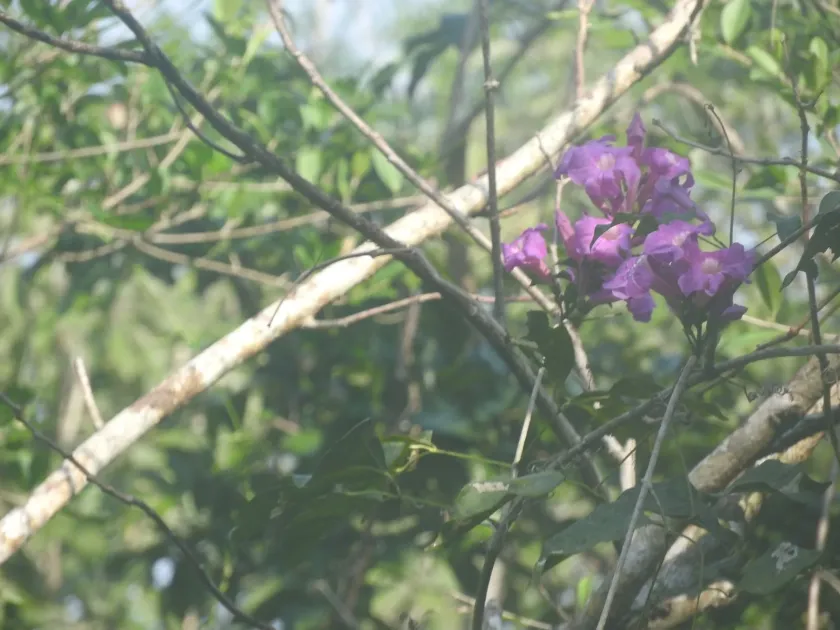
Description
Growing requirements
Lonchocarpus longistylus is a tree species belonging to the Fabaceae family. Native to tropical regions of the Americas, it thrives in environments that provide consistent warmth and high humidity, characteristic of rainforest ecosystems.
The cultivation of this species requires well-drained soils rich in organic matter. While it is adaptable to various soil types, poor drainage can lead to significant root health issues, making the selection of an appropriate planting site crucial for successful growth.
Sunlight exposure is a primary requirement for the healthy development of this tree. It demonstrates an ability to grow in various canopy stages, but optimal growth rates are observed in areas with sufficient direct light, allowing it to mature into a robust specimen.
Agricultural management of the species involves careful monitoring of soil moisture during the initial establishment period. As a legume, the plant can benefit from soil health improvements through nitrogen fixation, which contributes to the overall vitality of the plantation.
Economically, the species is valued for its content of rotenoids, which are natural organic compounds. These substances have historically functioned as natural insecticides, positioning the plant as a subject of interest for sustainable agriculture and natural pest management research.
Main diseases and pests
The primary threats to Lonchocarpus longistylus include various fungal pathogens that flourish in high-humidity tropical conditions. Leaf blight and crown rot can cause significant damage if the tree is not provided with adequate ventilation and space.
Insects that target tender shoots and bark represent another significant pest category. These infestations can weaken the structure of the tree, making it susceptible to further environmental stressors and reducing its potential for future productivity.
Soil-borne diseases pose a constant challenge, particularly in areas where water stagnation occurs. Pathogens can quickly colonize the root system in poorly aerated environments, leading to systemic weakness and stunted growth patterns.
Biological competition in the wild from aggressive vines and epiphytes can severely impact the tree's health by limiting access to essential resources. Regular monitoring and physical removal of invasive plants in the immediate vicinity are essential maintenance practices.
Effective management strategies include maintaining appropriate spacing between trees and avoiding high-density plantings. These simple measures promote air circulation and help mitigate the development of moisture-dependent pathogens that threaten the crop.