
Silky Lonchocarpus
Lonchocarpus sericeus
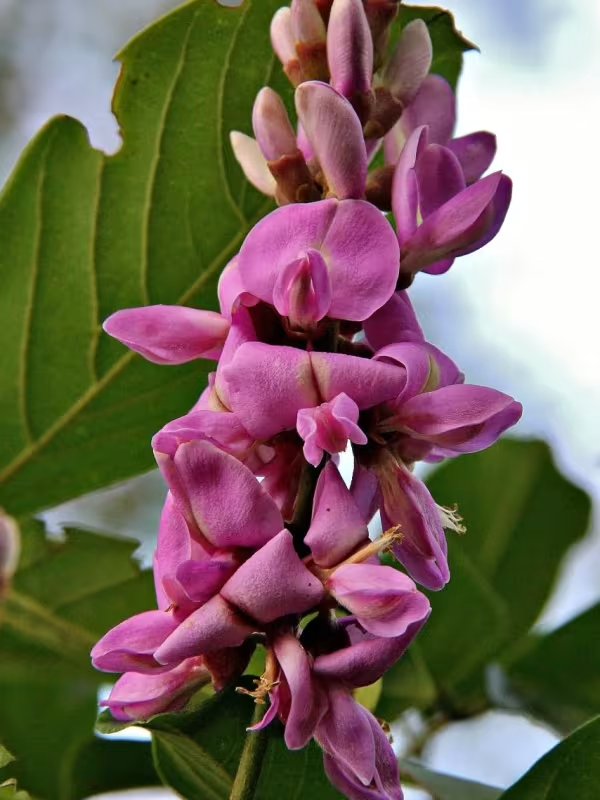
Description
Sowing dates
Silky Lonchocarpus, botanically known as Lonchocarpus sericeus, is a robust tree species within the Fabaceae family. It is widely recognized for its rapid growth and its capacity to thrive in diverse tropical and subtropical environments.
Propagation is primarily achieved through seeds, which are collected from mature, brown pods. For successful germination, seeds should be sown in a well-draining, nutrient-rich potting medium shortly after collection to maintain high viability.
In nursery settings, seedlings require consistent moisture and partial protection from intense midday sun. This nurturing phase lasts until the plant develops a woody stem and a strong root system, which usually takes about 6 to 10 months.
Transplanting into the field is recommended at the onset of the rainy season to allow the root system to establish without excessive heat stress. Proper spacing is essential, as the species develops a wide, spreading canopy that requires room for airflow.
The plant exhibits excellent vigor, making it suitable for reforestation projects. Its ability to establish quickly helps in stabilizing soils and creating a microclimate for other plant species in degraded agricultural landscapes.
Growing requirements
This species is strictly tropical, requiring warm temperatures year-round to maintain continuous metabolic activity. It cannot tolerate freezing conditions, which can lead to significant branch dieback or total plant mortality in cooler zones.
While Lonchocarpus sericeus can adapt to a variety of soil types, it performs best in deep, fertile soils with efficient drainage. It exhibits good tolerance to various pH levels but thrives optimally in slightly acidic to neutral soil environments.
Sunlight is a critical factor for the maturation of the tree. While young seedlings can survive in shaded environments, adult trees require full sun to optimize their photosynthetic efficiency and to promote the development of durable, high-quality timber.
Maintenance involves managing soil moisture, especially during the first two years after planting. Although the tree has moderate drought tolerance once established, supplemental irrigation during prolonged dry spells significantly boosts growth rates.
As a legume, this tree plays an active role in soil health through nitrogen fixation. It does not require intensive fertilization, though the application of balanced organic matter around the drip line can help sustain high yields in nutrient-poor soils.
Main diseases and pests
Like many tropical tree species, Silky Lonchocarpus can be susceptible to various pests, including wood-boring beetles and defoliating caterpillars. Regular field inspections are necessary to identify early signs of infestation.
Fungal pathogens may affect the roots if the plant is subjected to prolonged waterlogging. Ensuring optimal drainage is the primary defense strategy against soil-borne diseases that can compromise the tree's vascular system.
Leaf spots, caused by various fungal and bacterial agents, can occur during periods of high humidity and poor ventilation. Pruning dense branches to improve airflow through the canopy is an effective preventive measure.
Small mammals and rodents may target young seedlings in agroforestry systems, requiring the installation of protective mesh or guards during the first stages of field development to prevent damage to the terminal buds.
Integrated pest management (IPM) practices, such as encouraging natural predator populations and maintaining orchard hygiene, are recommended to minimize the reliance on chemical pesticides and preserve the ecosystem's balance.
Harvesting
The primary harvest products include high-quality timber and organic mulch. The wood is esteemed for its density and durability, making it suitable for furniture manufacturing, interior construction, and tool handles.
In agroforestry systems, the tree is often pruned to harvest nitrogen-rich foliage. This biomass serves as an excellent green manure, which is applied to the base of other food crops to improve soil structure and nutrient availability.
Seeds are harvested manually when the seed pods turn dry and brittle. They are then threshed and dried in a cool, ventilated area before storage to prevent mold growth and maintain the germination potential of the batch.
Timber harvest occurs when the trees reach maturity, typically after 12 to 20 years. Sustainable harvesting practices involve selective logging, where only fully mature individuals are removed to ensure the continuous regeneration of the stand.
The tree also provides secondary benefits such as honey production during the flowering season. Beekeepers often value the nectar resources provided by this species, which can provide an additional stream of income for landowners.