
Lonchocarpus punctatus
Lonchocarpus punctatus
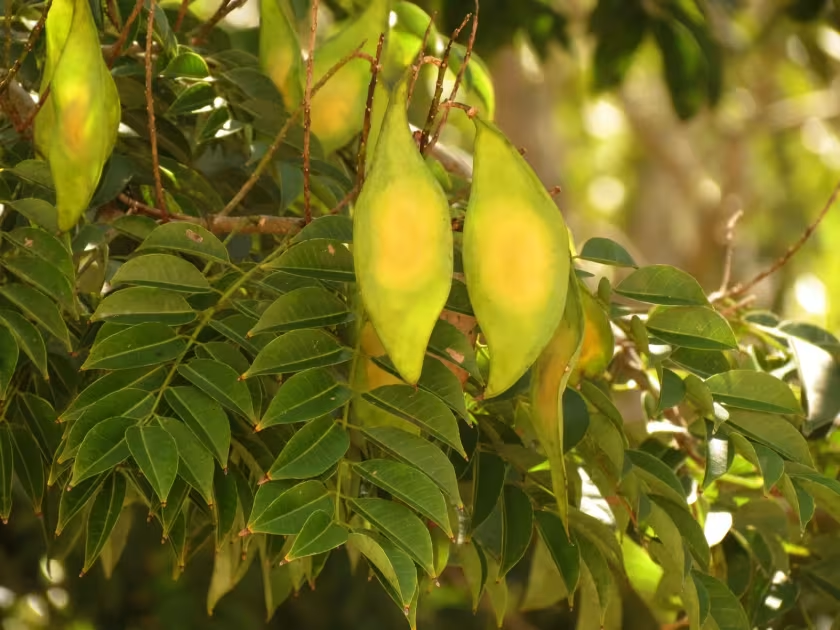
Description
Growing requirements
Lonchocarpus punctatus is a perennial legume species belonging to the Fabaceae family. Typically growing as a shrub or a small tree, it is well-regarded for its role in tropical agroforestry and its utility as a source of botanical extracts.
The plant originates from the Caribbean region and parts of South America. It thrives in tropical climates where temperature stability and adequate sunlight are present throughout the growing season, preferring sites with full exposure to light.
Soil requirements include well-drained, nutrient-rich substrates. While it shows some tolerance for varied soil types, it performs best in soils with a slightly acidic to neutral pH, where water drainage is efficient to prevent root rot.
Agronomic management focuses on consistent moisture during the early establishment phase. Once mature, the tree exhibits moderate drought tolerance, making it a robust option for cultivation in regions with seasonal rainfall patterns.
In terms of agricultural utility, Lonchocarpus punctatus is highly valued for its rotenoids. These compounds serve as natural insecticides, allowing farmers to utilize the plant as a sustainable alternative to synthetic chemicals for crop protection.
Main diseases and pests
The primary threats to the health of this crop are fungal diseases associated with excessive humidity and poor soil drainage. Implementing proper spacing and site selection is essential to maintain airflow and prevent moisture-related pathogen buildup.
Common pests include leaf-feeding beetles and scale insects that can infest the canopy, potentially reducing overall plant vigor. Integrated pest management strategies, focusing on biological controls, are recommended for maintaining healthy populations in an agricultural setting.