
Lomandra patens
Lomandra patens A. T. Lee
Description
Growing requirements
Lomandra patens is a perennial herbaceous plant belonging to the Asparagaceae family. Native to eastern Australia, it is commonly found in dry forests and rocky slopes, where it has evolved to thrive under harsh climatic conditions.
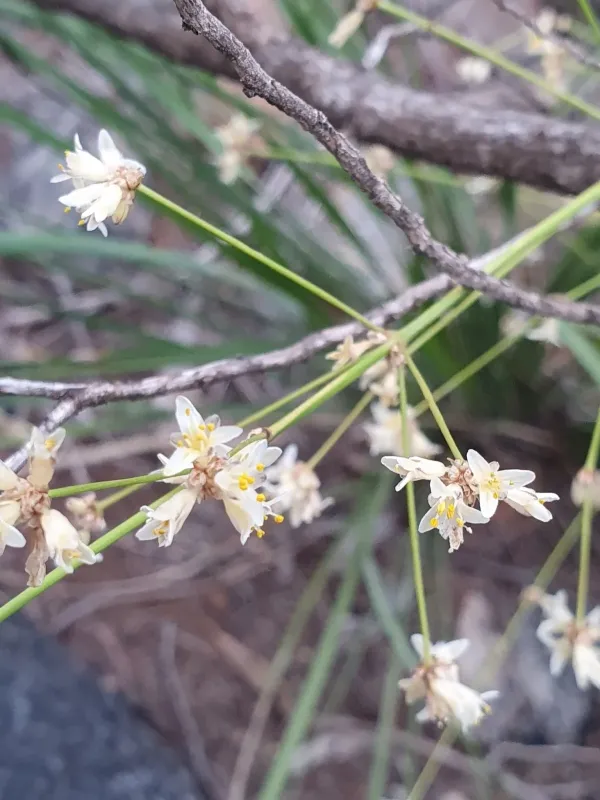
The plant is characterized by dense tufts of rigid, linear leaves that grow in a radiating pattern. Its inflorescences are distinct, often described as sprawling, which contributes to the visual appeal of this species in both natural and managed environments.
The cultural requirements are centered on excellent drainage and sunlight. As a highly drought-tolerant species, it requires minimal supplemental irrigation once established, making it a sustainable choice for landscaping and xeriscaping.
It performs best in sandy or gravelly soils that are slightly acidic or neutral. While it is adaptable to partial shade, full sun exposure significantly promotes more vigorous growth and keeps the plant's structure dense and compact.
Agronomic management involves periodic grooming to remove dead foliage. Since the plant is sensitive to waterlogging, it is crucial to avoid heavy soil textures or low-lying areas where water can accumulate, especially during the dormant season.
Main diseases and pests
Root rot is the most significant threat to Lomandra patens, almost exclusively caused by excessive moisture. Proper soil preparation with high drainage capacity is the primary defense against this fungal issue.
Occasional infestations of sap-sucking insects, such as aphids or scale insects, can occur in poorly ventilated environments. However, these rarely reach epidemic levels if the plant is grown in its preferred environment with good air circulation.
In indoor or greenhouse settings, spider mites may become an issue if the humidity levels drop significantly. Regular misting or monitoring of the environment can prevent these outbreaks effectively without the need for heavy pesticide use.
Fungal leaf spot diseases can develop if the foliage remains wet for extended periods. Keeping the crown of the plant clean and dry is essential to preventing bacterial or fungal decay of the base tissues.
Overall, the plant is remarkably robust. By focusing on preventative maintenance—such as managing drainage and air circulation—growers can avoid the need for intensive pest or disease control measures throughout the growing cycle.