
Australian fan palm
Livistona australis
Description
Growing requirements
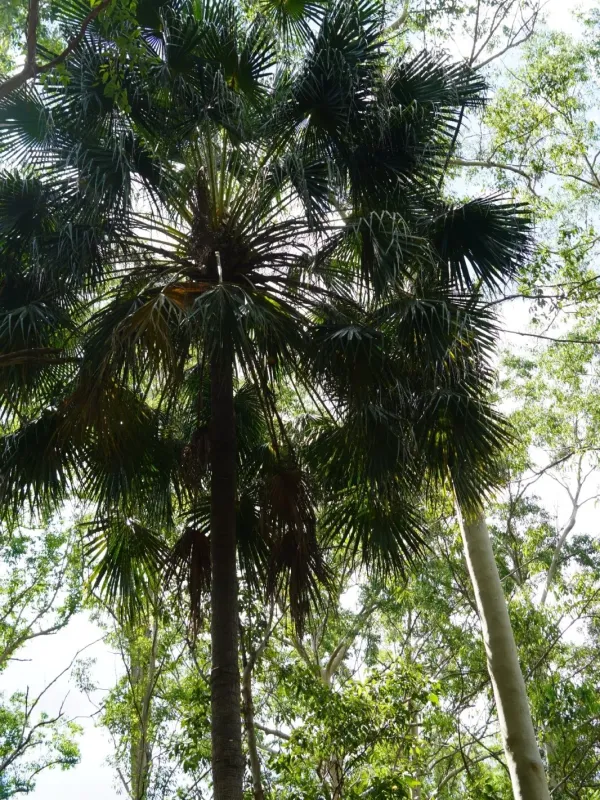
The Australian fan palm (Livistona australis) is a robust, evergreen member of the Arecaceae family. Native to the coastal forests of eastern Australia, this palm is widely cultivated as an ornamental plant due to its elegant, dark green fan-shaped fronds.
When grown in indoor conditions or containers, the species requires bright, indirect light to maintain its compact growth habit and vibrant leaf color. Exposure to direct afternoon sun can cause leaf scorch, particularly if the plant is not acclimated to high light intensities.
The preferred soil medium for this palm is a well-draining, nutrient-rich mix consisting of peat, leaf mold, and coarse sand. It is vital to ensure that the pot has adequate drainage holes to prevent water accumulation, which the roots cannot tolerate.
Environmental requirements include a consistent temperature range between 20°C and 25°C during the growing season. While the palm is somewhat cold-tolerant, it should be protected from frost and sudden temperature dips below 10°C to avoid tissue damage.
Maintaining high humidity levels is crucial, especially in indoor environments with heating systems. Regular misting, the use of humidifiers, or placing the pot on a tray filled with wet gravel can significantly improve the health and appearance of the foliage.
Main diseases and pests
Common pests affecting Livistona australis include spider mites and scale insects. These pests thrive in dry environments and typically colonize the undersides of leaves, causing discoloration and eventual drop of the foliage if left unchecked.
Fungal issues, particularly root rot, often occur due to overwatering or insufficient soil aeration. If the soil remains saturated for long periods, the roots become prone to pathogen attacks, leading to a rapid decline in the plant's overall health.
Managing these threats requires a proactive approach. Regular inspections of the plant, especially during winter months, allow for early detection of pests, which can then be managed using insecticidal soaps or specific horticultural oils.
Nutrient deficiencies, such as potassium or magnesium deficiency, can occur if the plant is not fertilized properly. Implementing a balanced fertilization schedule during the active growing months is essential for preventing yellowing of leaves and promoting steady growth.
Sanitation is key to preventing disease transmission. Always use sterilized tools when pruning older, dead fronds and ensure that the surrounding area is kept clean to minimize the chances of recurring pest infestations within the plant collection.