
Littleleaf boxwood
Buxus microphylla Siebold & Zucc.
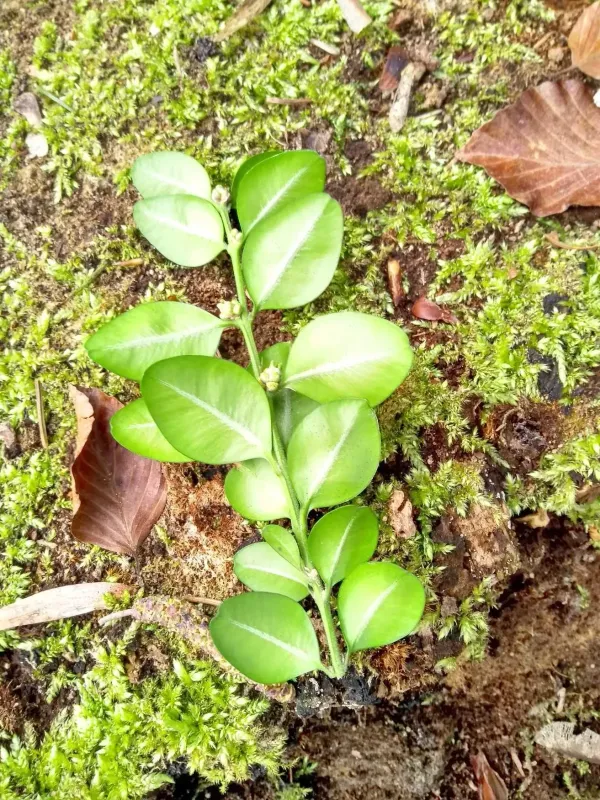
Description
Growing requirements
Littleleaf boxwood (Buxus microphylla) is a prominent member of the Buxaceae family, native to Japan and Taiwan. This slow-growing evergreen shrub is widely celebrated for its dense, small foliage and excellent tolerance for pruning, making it a staple in ornamental horticulture.
The plant thrives in well-drained, fertile soil with a neutral to slightly alkaline pH. It is quite versatile regarding light conditions, performing well in partial shade or full sun, provided the soil moisture is maintained, as extreme heat can scorch the leaves.
Standard cultivation practices involve consistent watering, especially for young specimens during their establishment phase. Fertilization should be applied in early spring to encourage healthy growth, while avoiding late-season feeding to prevent tender new growth from winter damage.
Maintenance pruning is essential to preserve the desired shape, and it is best performed in late spring after the danger of frost has passed. Mulching around the root zone helps conserve moisture and protect roots from temperature fluctuations.
In landscaping, this species is used for low hedges, topiary art, and containers. Its compact habit and year-round green foliage provide consistent structure to garden borders and formal layouts.
Main diseases and pests
The box tree moth (Cydalima perspectalis) is the most significant pest, capable of causing rapid and severe defoliation if left untreated by the gardener.
Fungal pathogens such as Volutella blight and boxwood dieback are common issues that manifest as lesions on the leaves or the sudden wilting of branches.
Spider mites can become a nuisance during hot, dry spells, causing the foliage to lose its deep green luster and appear mottled or yellowed.
Effective management requires early detection and the removal of any diseased or infested plant parts to prevent the spread of the pathogen or pest to nearby shrubs.
- Use of systemic insecticides to control larval stages of pests.
- Applying fungicides during the spring months as a preventative measure.
- Promoting good airflow to reduce humidity within the plant canopy.