
Japanese boxwood
Buxus microphylla Siebold & Zucc. var. japonica (Müll. Arg. ex Miq.) Rehder & E. H. Wilson
Description
Growing requirements
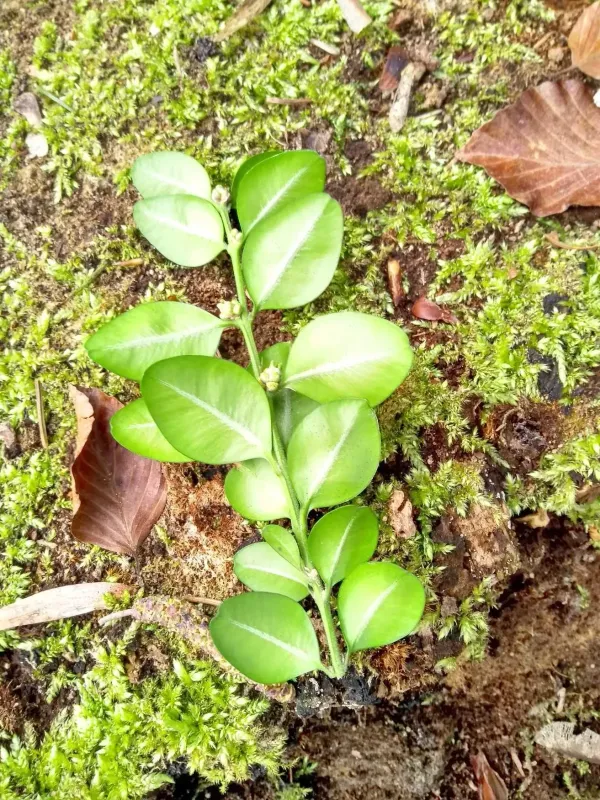
Japanese boxwood (Buxus microphylla var. japonica) is a prominent evergreen shrub belonging to the Buxaceae family. It is native to the Japanese archipelago, where it thrives in diverse forest habitats, showing a remarkable ability to adapt to varying light and temperature conditions.
This species is highly valued for its dense, glossy, small-leaf foliage and slow-growing nature, making it a staple in traditional and contemporary landscaping. Unlike other boxwood varieties, the Japanese variant exhibits superior cold tolerance and resilience against common environmental stressors.
Regarding soil requirements, it prefers fertile, well-draining soils with a slightly alkaline to neutral pH. It is crucial to ensure that the site does not have standing water, as the root system is highly susceptible to rot if subjected to constant saturation.
The plant thrives in partial shade but can adapt to full sun exposure, provided that the soil moisture is consistently maintained. In regions with harsh, drying winter winds, it is advisable to provide shelter to prevent desiccation of the evergreen leaves.
General maintenance involves consistent pruning, which is essential to maintain the desired shape and density of the shrub. Fertilizing in early spring with a balanced slow-release fertilizer encourages robust growth and enhances the natural deep green pigmentation of the foliage.
Main diseases and pests
The box tree moth (Cydalima perspectalis) represents the most significant threat to Japanese boxwood populations worldwide. Growers must implement integrated pest management strategies, including regular visual inspections and the timely application of systemic insecticides during the caterpillar activity phase.
Spider mites are another common challenge, particularly during hot and dry summer months. These pests cause yellowing and stippling of the leaves, which can be mitigated by keeping the plant adequately hydrated and using miticides if infestations become severe.
Fungal pathogens such as blight and leaf spot can develop in environments with poor air circulation or excessive canopy density. Thinning the plant structure through pruning helps improve airflow and reduces the probability of these fungal outbreaks.
Winter injury can occur when temperatures fluctuate, leading to leaves turning bronze or reddish. While often cosmetic, heavy winter burn can be minimized by applying a deep watering before the first frost and utilizing mulch to insulate the root zone.
Sanitation practices, such as removing fallen leaves from the base of the shrub and disposing of any infected clippings, are fundamental to disease prevention. These steps minimize the accumulation of spores and pests, contributing to the long-term health of the boxwood.