
Henry boxwood
Buxus henryi Mayr
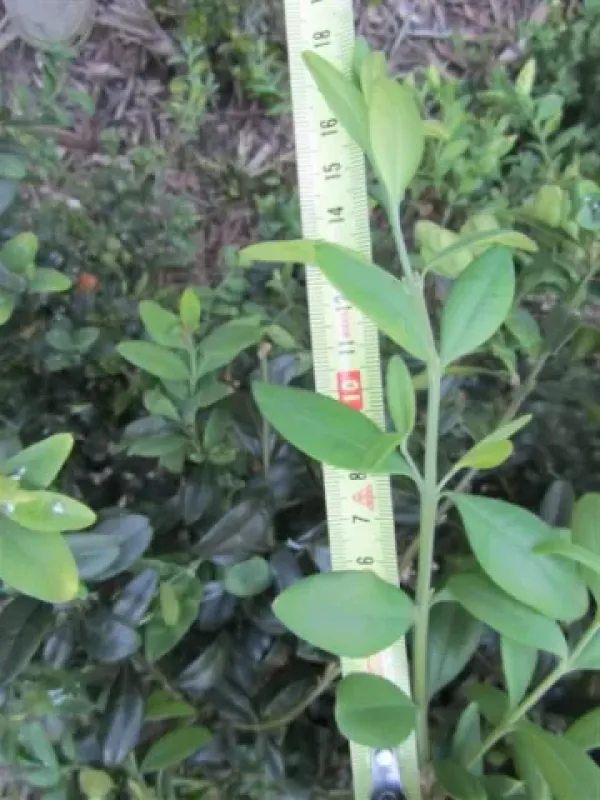
Description
Growing requirements
Henry boxwood (Buxus henryi Mayr) is an evergreen species belonging to the Buxaceae family. Originating from the mountain regions of China, this plant is valued for its unique foliage and robust nature in its native temperate forest habitats.
Botanically, this shrub is recognized by its lance-shaped leaves and dense, slow-growing habit. It maintains a deep green color throughout the seasons, providing consistent aesthetic value to any landscape setting.
The cultural requirements for Buxus henryi include well-drained, nutrient-rich soil with a neutral to slightly alkaline pH. It thrives best in partial shade, where the foliage is protected from the harsh midday sun that can cause desiccation.
Proper water management is essential for this species. While it appreciates consistent moisture during the growing season, it is crucial to avoid waterlogged soil conditions, which can lead to root rot during the dormant period.
Economically and ornamentally, this plant is extensively used in landscaping for formal gardens. It is particularly well-suited for shaping, allowing gardeners to create intricate topiaries, low hedges, and structured borders.
Main diseases and pests
The most significant pest threat to boxwood varieties today is the box tree moth (Cydalima perspectalis). Its larvae feed aggressively on leaves, often leading to rapid defoliation and long-term damage if left uncontrolled.
Fungal diseases, including Volutella blight and Phytophthora root rot, are common threats, especially in humid and poorly ventilated environments. These pathogens can cause branch dieback and overall decline of the shrub.
Effective management includes regular monitoring for early signs of infestation or disease. Applying horticultural oils and appropriate fungicides as a preventive measure is highly recommended in regions where these pests are prevalent.
Spider mites can also be a problem during hot and dry summer months, leading to a stippled or bronzed appearance of the leaves. Maintaining proper air circulation and adequate hydration can help mitigate the impact of mite infestations.
Good sanitation practices, such as removing fallen leaves and pruning dead wood, help prevent the spread of fungal spores. By fostering a healthy growing environment, gardeners can ensure the longevity and vitality of their boxwood specimens.