
Hybrid boxwood
hybrids between Buxus microphylla Siebold & Zucc. and Buxus sempervirens L.
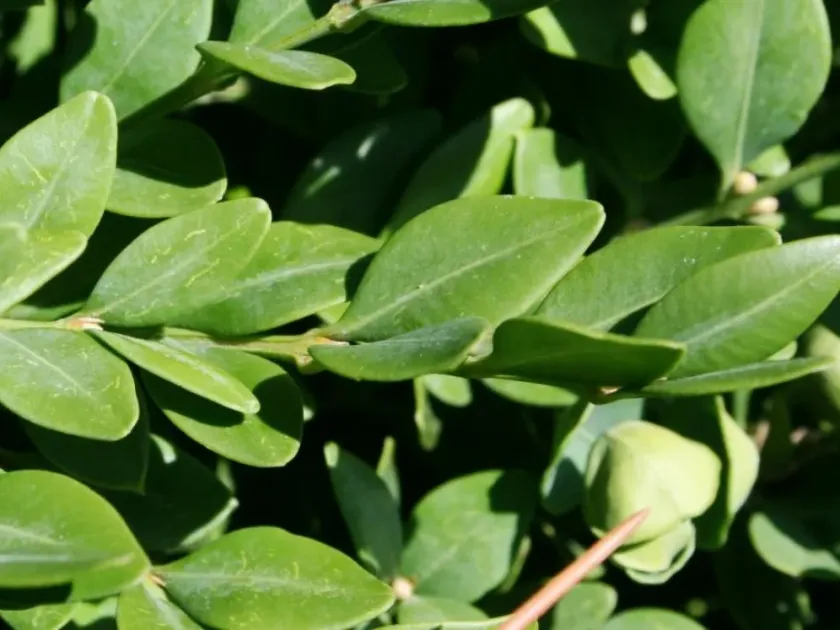
Description
Growing requirements
Hybrid boxwood is a cross between Buxus microphylla and Buxus sempervirens, belonging to the Buxaceae family. This hybrid variety was specifically developed to combine the small, delicate foliage of the Japanese boxwood with the robust growth habits of the common European boxwood.
These shrubs thrive in locations with partial shade, although they can tolerate full sun if provided with sufficient soil moisture. High heat combined with drought requires a well-mulched root zone to keep the soil cool and prevent root stress during the peak summer months.
Ideal soil for hybrid boxwood should be fertile, well-draining, and have a pH ranging from neutral to slightly alkaline. It is essential to ensure that the site does not accumulate standing water, as the species is highly susceptible to root rot in waterlogged conditions.
The cultural maintenance revolves around careful pruning, which encourages a dense and uniform canopy. As a slow-growing plant, it is widely utilized for formal gardens, low hedges, and intricate topiary, as it maintains its structural shape for extended periods.
Cold hardiness varies depending on the specific hybrid cultivar, but most are bred to withstand colder winters than the parent species. Providing winter protection, such as windbreaks or burlap wrapping, is recommended for younger plants in harsh climates to prevent foliage desiccation.
Main diseases and pests
The box tree moth (Cydalima perspectalis) is currently the most devastating pest affecting boxwood species worldwide. Its larvae feed aggressively on leaves and bark, often leading to rapid defoliation and plant death if intervention measures are not applied in time.
Fungal diseases like boxwood blight (Calonectria pseudonaviculata) present a major threat, causing leaf spots, stem cankers, and significant leaf drop. This disease spreads rapidly in humid environments, especially where overhead irrigation is used frequently.
Spider mites are common in hot, arid conditions, causing the foliage to appear speckled or bronzed. These microscopic pests thrive when the plant is under water stress, so maintaining adequate irrigation is a key component of integrated pest management.
Sanitation is crucial to prevent the spread of diseases. This includes removing fallen leaves from beneath the shrubs, as they can harbor fungal spores that reinfect the plant during the following season when temperatures rise.
Effective management requires a combination of cultural practices, such as proper spacing to improve air circulation, and the judicious use of pesticides. Monitoring the plant for signs of stress or pest activity should be done on a bi-weekly basis during the growing season.