
Chinese boxwood
Buxus sinica (Rehder & E. H. Wilson) M. Cheng
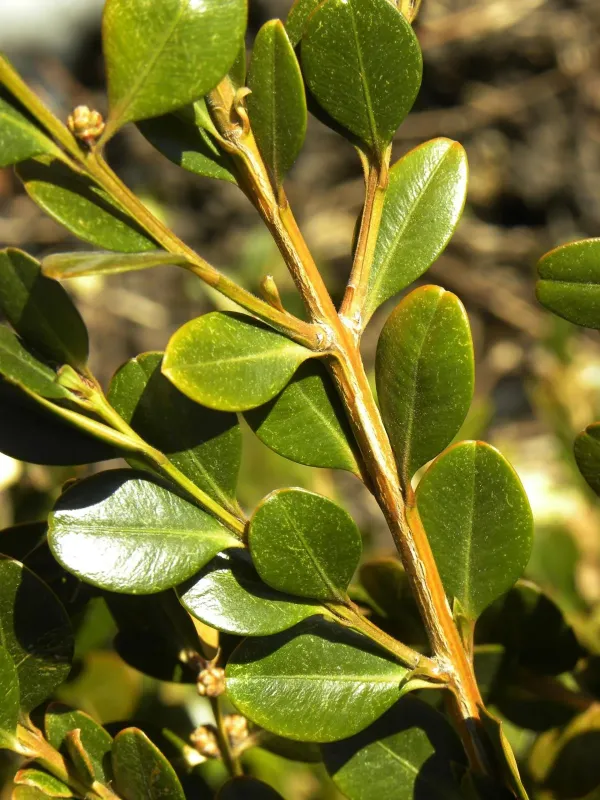
Description
Growing requirements
Chinese boxwood (Buxus sinica) is an evergreen, slow-growing shrub belonging to the Buxaceae family. Native to China and Taiwan, this species is highly valued in horticulture for its dense, glossy foliage and exceptional adaptability to shaping, making it a staple in classic garden designs.
Botanically, it features small, leathery leaves that are obovate in shape. It is a resilient plant capable of thriving in various light conditions, from full sun to partial shade, although it maintains its best color when provided with sufficient light and consistent moisture levels.
The soil requirements for Buxus sinica focus on fertility and drainage. The plant prefers well-draining, slightly alkaline to neutral soil. Poor drainage is detrimental to the root system, often leading to physiological stress and increased susceptibility to various pathogens.
Climatic adaptability is one of the strengths of this species, though it performs best in temperate climates. In colder regions, providing winter protection for young shrubs helps prevent windburn and foliage desiccation, which can compromise the aesthetic appearance of the plant.
Cultivation practices involve regular pruning to maintain the desired shape, as well as periodic feeding with balanced fertilizers to encourage growth. Mulching around the base is recommended to regulate soil temperature and retain moisture, which is critical during the initial establishment period.
Main diseases and pests
The most significant pest threat to Chinese boxwood is the box tree moth (Cydalima perspectalis), which can cause rapid and severe defoliation. Early detection of larvae is essential for preserving the structural integrity and health of the shrub.
Fungal pathogens such as Volutella leaf blight and boxwood rust are common issues. These diseases thrive in humid, stagnant air conditions and are characterized by leaf discoloration, branch dieback, and the presence of fungal spores on affected plant tissues.
Disease management relies heavily on cultural practices, specifically improving airflow through regular thinning of the canopy. Proper sanitation, such as removing fallen leaves and infected branches, prevents the accumulation of inoculum in the garden environment.
Chemical control measures include the application of appropriate insecticides for moth larvae and fungicides for fungal blight. Always choose products registered for ornamental boxwood use and follow the manufacturer's guidelines regarding application frequency and safety.
Integrated Pest Management (IPM) strategies, which include monitoring, cultural control, and targeted interventions, are the most effective way to manage the long-term health of boxwood plantings and ensure they remain vibrant additions to the landscape.