
Walter's Doghobble
Leucothoe walteri
Description
Growing requirements
Walter's Doghobble (Leucothoe walteri) is a perennial evergreen shrub belonging to the Ericaceae family. Native to the Southeastern United States, this plant is naturally adapted to moist, shaded forest floor environments where the soil is rich in organic matter.
The primary requirement for successful cultivation is an acidic, well-draining soil profile with a pH level between 4.5 and 5.5. Gardeners must amend alkaline soils with peat moss, pine bark, or leaf mold to ensure the plant thrives without suffering from nutrient lockout.
Regarding climate, the plant performs best in sheltered, semi-shaded locations. While it can tolerate some morning sun, afternoon exposure is detrimental and often leads to leaf scorch. It is vital to protect the plant from harsh winds that can desiccate the foliage during winter.
Standard horticultural practice involves maintaining consistent moisture levels. The root system is relatively shallow and sensitive; therefore, applying a thick layer of organic mulch is essential to regulate soil temperature and prevent the roots from drying out during hot summer months.
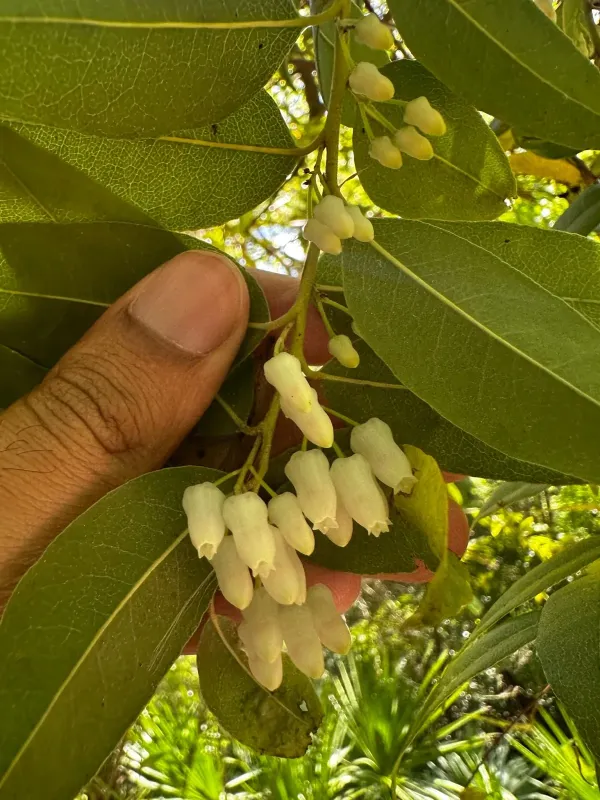
In landscaping, Leucothoe walteri is highly valued for its striking, drooping clusters of flowers and its unique foliage. Its ability to maintain vibrant red or bronze colors throughout the colder months makes it an indispensable element for winter interest in gardens.
Main diseases and pests
The most significant pathological threats to Leucothoe walteri include fungal leaf spots and blights. These are typically triggered by overhead irrigation, which keeps the foliage wet for extended periods, providing an ideal environment for spore germination.
Root rot caused by Phytophthora species is a common hazard in poorly drained soils. Once established, this condition is often fatal, necessitating strict control of water management and the installation of raised beds if native soil drainage is insufficient.
Insect pests such as scale insects and spider mites are frequent nuisances. Scale insects adhere to stems and leaves, extracting nutrients and often secreting honeydew, which leads to the growth of sooty mold, further degrading the plant's health and appearance.
Integrated Pest Management (IPM) should be applied to control infestations. This includes regular monitoring of the underside of leaves for mite webs or scale shields, followed by targeted applications of horticultural oils or systemic insecticides when infestation thresholds are exceeded.
Nutrient deficiency, specifically iron chlorosis, is a common physiological issue. This occurs when the soil pH rises, rendering iron unavailable to the plant. If leaves turn yellow while veins remain green, soil acidification treatments are necessary to restore the plant's metabolic function.