
Leucothoe recurva
Leucothoe recurva
Description
Growing requirements
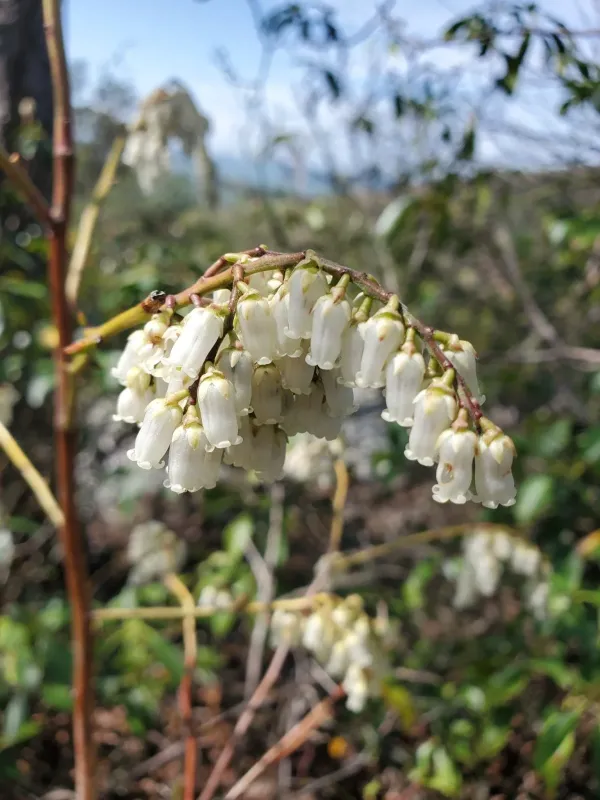
Leucothoe recurva, commonly known as mountain doghobble or red twig doghobble, is a deciduous shrub belonging to the Ericaceae family. It is native to the southeastern United States, naturally inhabiting moist woodlands and mountain slopes.
The plant requires acidic, well-draining soil rich in organic matter to thrive. Providing a soil pH between 4.5 and 5.5 is crucial for its nutrient absorption and overall health, mimicking its native habitat conditions.
Optimal growth is achieved in partial shade settings, protected from intense afternoon sunlight which can scorch the foliage. Consistent soil moisture is required, making mulch application an essential agricultural practice to retain humidity.
In terms of temperature, this shrub prefers moderate climates and benefits from winter protection in colder zones. It is a slow-growing plant that demands patience but rewards the gardener with its distinctive arching stems and brilliant fall colors.
Ornamentally, Leucothoe recurva is a staple in shade gardens and woodland plantings. Its ability to thrive in the company of rhododendrons and azaleas makes it a popular choice for ecological landscaping projects requiring acid-loving flora.
Main diseases and pests
The main threats to the plant include fungal pathogens like leaf spot and root rot. These are primarily caused by poor drainage or overhead irrigation that keeps the leaves moist for extended periods during the day.
Pests such as spider mites and scale insects can be problematic in hot and dry climates. Integrated pest management, including regular inspection and the use of insecticidal soaps, is recommended to protect the integrity of the foliage.