
Leucothoe hybrids
Leucothoe hybrids
Description
Growing requirements
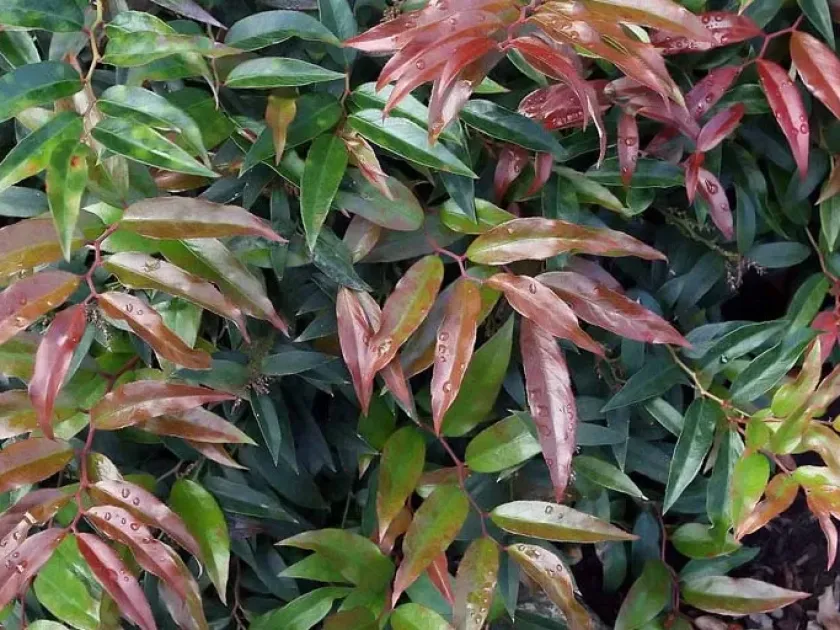
Leucothoe hybrids (Leucothoe hybrids) are evergreen shrubs belonging to the Ericaceae family. They are hybrid derivatives of North American species, valued for their arching stems and glossy, leathery foliage that transitions through vibrant red, bronze, and dark green shades throughout the year.
These plants thrive in partially shaded to fully shaded environments. They are sensitive to intense direct sunlight, which can scorch the leaves, so planting them under deciduous trees or in sheltered, north-facing garden locations is highly recommended.
Soil requirements are strict: they require acidic, well-drained, and humus-rich soil (pH between 4.5 and 5.5). Because they have fibrous, shallow root systems, the soil must remain consistently moist but never waterlogged to prevent root decay.
Regarding climate, Leucothoe hybrids generally prefer cool, temperate regions. While they can tolerate moderate frosts, protection from desiccating winter winds is essential to prevent leaf damage, especially in colder hardiness zones.
In landscaping, they are widely used for woodland gardens, as mass ground covers, or as textural elements in rock gardens and containers. Their slow-growing nature makes them manageable for various design styles, including contemporary and rustic gardens.
Main diseases and pests
The primary pathological threats to Leucothoe are fungal leaf spots and blights. These are typically encouraged by poor air circulation and excessive overhead moisture, necessitating proper spacing between plants during the installation phase.
Spider mites are the most common pest, especially in dry, warm conditions. Monitoring the underside of leaves for webbing and fine stippling is essential for early detection, followed by the use of targeted acaricides if an infestation occurs.
Scale insects may also attach to the stems, weakening the shrub by extracting sap. Hand-removal or the application of horticultural oils during the dormant season is effective in managing these persistent pests.
Nutrient deficiencies, particularly iron chlorosis caused by high soil pH, can severely weaken the plant. Maintaining the correct acidity level with organic amendments like peat or sulfur is critical for long-term health.
Routine sanitation, including the pruning of dead or diseased branches, is vital. By ensuring the plant is not overcrowded, growers can significantly reduce the risk of common bacterial and fungal diseases throughout the growing season.