
Leucothoe grayana
Leucothoe grayana
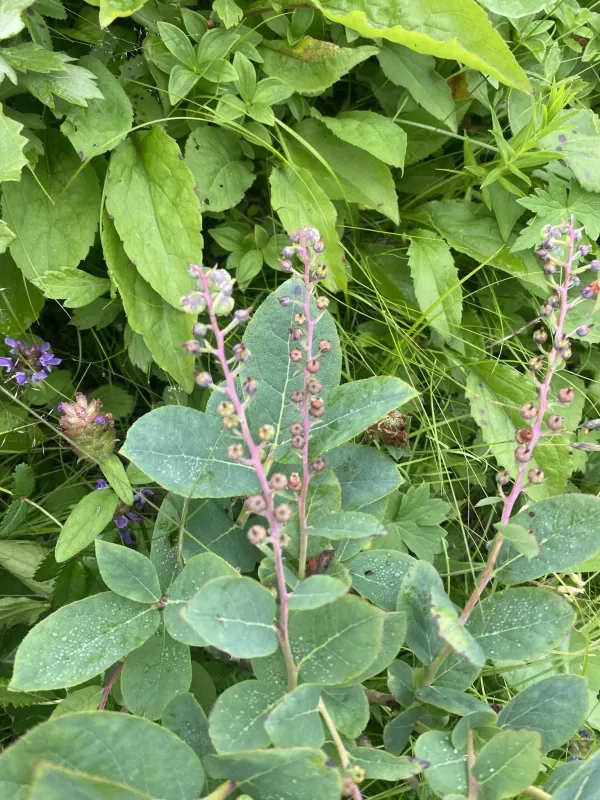
Description
Growing requirements
Leucothoe grayana is a deciduous shrub species belonging to the Ericaceae family, native to the temperate mountainous regions of Japan. It is highly valued in horticulture for its elegant growth habit and the dramatic color transformation of its foliage throughout the seasons.
The plant typically grows as a multi-stemmed shrub reaching heights between 1 and 1.5 meters. Its lanceolate leaves transition from a deep green in summer to a vibrant reddish-purple in autumn, providing excellent visual interest in landscape designs.
To cultivate Leucothoe grayana successfully, it is essential to provide acidic, well-draining soil rich in organic matter. Like most members of the Ericaceae family, it requires a moist environment but cannot tolerate waterlogged conditions that lead to root asphyxiation.
Ideal conditions include a sheltered location in partial shade. Protection from harsh, direct sunlight and drying winds is crucial to prevent leaf scorch and to ensure the plant maintains its lush, healthy appearance during the growing season.
Maintenance involves strict water quality control. Using soft, lime-free water for irrigation is mandatory, as high mineral content can rapidly increase soil pH, leading to physiological stress and the eventual decline of the plant specimen.
Main diseases and pests
The most common pests affecting this shrub are spider mites, which thrive in dry conditions. Regular misting and maintaining optimal humidity levels around the plant are effective practices to deter these microscopic pests.
Fungal pathogens such as leaf spot can occur if airflow within the canopy is insufficient. Ensuring proper spacing between plants and performing regular sanitation pruning helps to minimize the risk of infection and disease spread.
Scale insects can occasionally infest the stems, weakening the plant. Early detection and application of horticultural oils or systemic insecticides are recommended to prevent significant damage to the plant structure.
Chlorosis is a frequent physiological issue caused by incorrect soil pH levels. When the soil becomes too alkaline, the plant cannot absorb essential iron, resulting in yellowing foliage with green veins, which requires immediate corrective acidification.
Overall plant health is highly dependent on a consistent and preventative care routine. Removing debris, maintaining correct nutrient levels through specialized acid-loving plant fertilizers, and monitoring for early signs of stress are key to long-term success.