
Leucothoe populifolia
Leucothoe populifolia
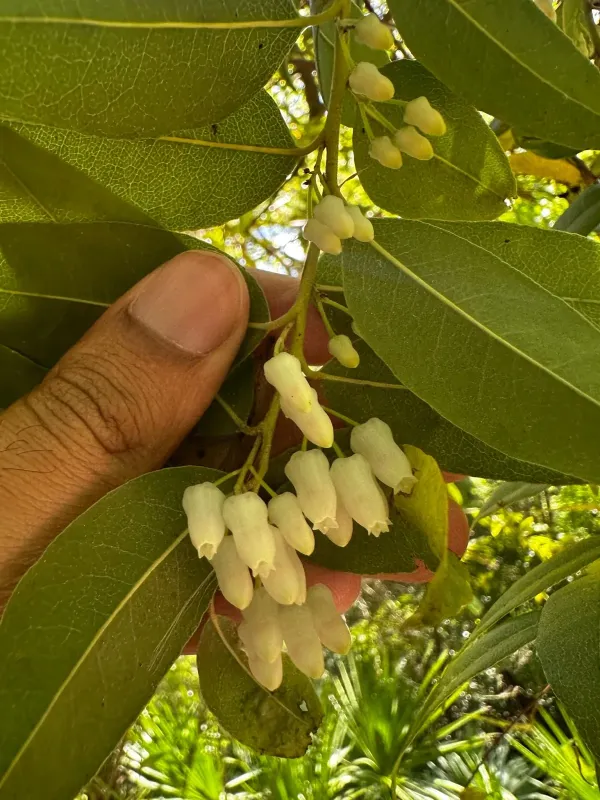
Description
Growing requirements
Leucothoe populifolia, commonly known as the poplar-leaf leucothoe, is a notable member of the Ericaceae family. Native to the southeastern United States, this evergreen shrub is highly valued in ornamental horticulture for its glossy, lance-shaped leaves and arching stems.
This species requires specific soil conditions to thrive. It necessitates acidic, well-draining, and moisture-retentive soil rich in organic matter. Gardeners often amend planting sites with peat moss or pine needles to maintain a low pH level, typically between 4.5 and 5.5.
Regarding light, Leucothoe populifolia prefers shaded or semi-shaded locations. Direct exposure to intense afternoon sunlight can scorch the leaves and stunt the plant's growth, making a position beneath a light forest canopy ideal.
Watering requirements are consistent throughout the growing season. The root zone must be kept evenly moist at all times, but never waterlogged. Providing a thick layer of mulch around the base helps retain moisture and protects the shallow root system.
In terms of maintenance, this shrub does not require extensive pruning. Simple removal of dead or crossing branches in early spring is usually sufficient to maintain its natural, graceful shape and improve the overall structure.
Main diseases and pests
The most common disease affecting this shrub is leaf spot, which is typically triggered by fungal spores in humid, poorly ventilated environments. Ensuring proper spacing between plants is critical for disease mitigation.
Root rot is a major physiological threat often caused by poor drainage or overwatering. Once established, the pathogen attacks the roots, leading to rapid decline and death of the entire plant structure.
Pests such as scale insects and spider mites may infest the plant during hot, dry spells. Regular inspection of the undersides of the leaves is recommended, followed by the application of horticultural oils or soap sprays if an infestation occurs.
Chlorosis, indicated by yellowing leaves with green veins, is a frequent issue if the plant is grown in soil that is not sufficiently acidic. Correcting the soil chemistry is essential to restore the deep green pigment in the foliage.
- Monitor soil pH levels annually.
- Avoid over-fertilization with nitrogen-heavy products.
- Prune only with disinfected tools to prevent disease transfer.