
Leucothoe racemosa
Leucothoe racemosa
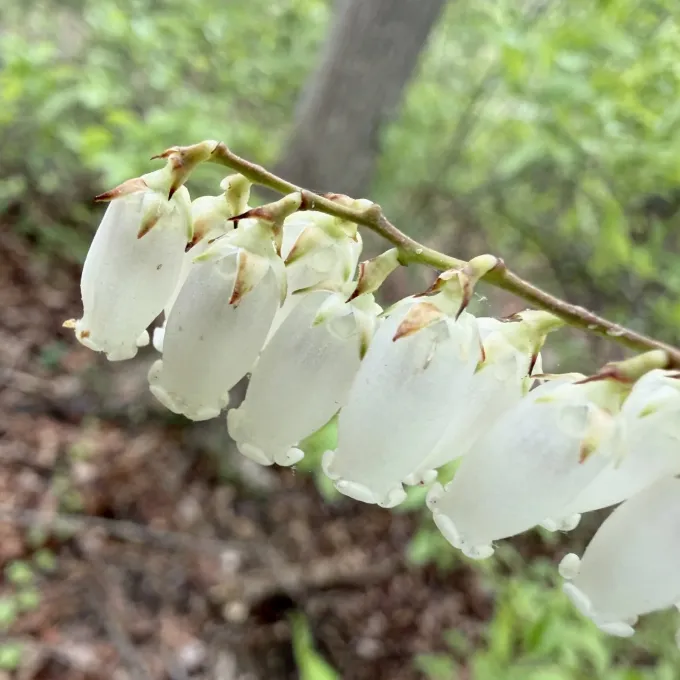
Description
Growing requirements
Leucothoe racemosa, commonly known as sweetbells, is a deciduous shrub belonging to the Ericaceae family. Native to the southeastern United States, it thrives in moist, shaded environments, typically near stream banks and swamps.
The plant requires acidic soil conditions to flourish. A soil pH ranging between 4.5 and 5.5 is essential, often achieved through the incorporation of peat moss or pine bark into the planting site to mimic its natural woodland habitat.
Regarding climate, this species prefers temperate zones with moderate humidity. It is best situated in partial shade, as exposure to harsh afternoon sunlight can cause significant leaf scorch and dehydration during the peak of summer.
Water management is a critical aspect of its agrotechnics. The root system is shallow and sensitive; therefore, maintaining consistent soil moisture through regular irrigation and the application of organic mulch is vital for plant health.
Economically, Leucothoe racemosa is highly valued in the nursery industry as an ornamental specimen. Its arching branches, fragrant white flower clusters, and vibrant red or bronze autumn foliage make it a desirable choice for woodland gardens.
Main diseases and pests
Leaf spot diseases are common occurrences in Leucothoe, often triggered by prolonged periods of high humidity and poor air circulation. These pathogens can significantly diminish the aesthetic value of the foliage.
Root rot is a major threat caused by overwatering or poorly drained soil. If the roots remain saturated for extended periods, they become susceptible to anaerobic conditions, leading to the rapid decline of the entire shrub.
Pests such as scale insects and spider mites are known to infest the plant, particularly in dry conditions. These pests feed on the sap, causing yellowing and stunted growth of the new shoots.
Powdery mildew may appear on the foliage as a white, dusty layer, especially in late summer. Managing the density of the planting and ensuring proper airflow are effective cultural controls against this fungus.
To maintain a healthy shrub, annual pruning is recommended. This involves removing dead or diseased wood and thinning out dense branches, which improves overall plant vigor and reduces the susceptibility to opportunistic diseases.