
Leucothoe davisiae
Leucothoe davisiae
Description
Growing requirements
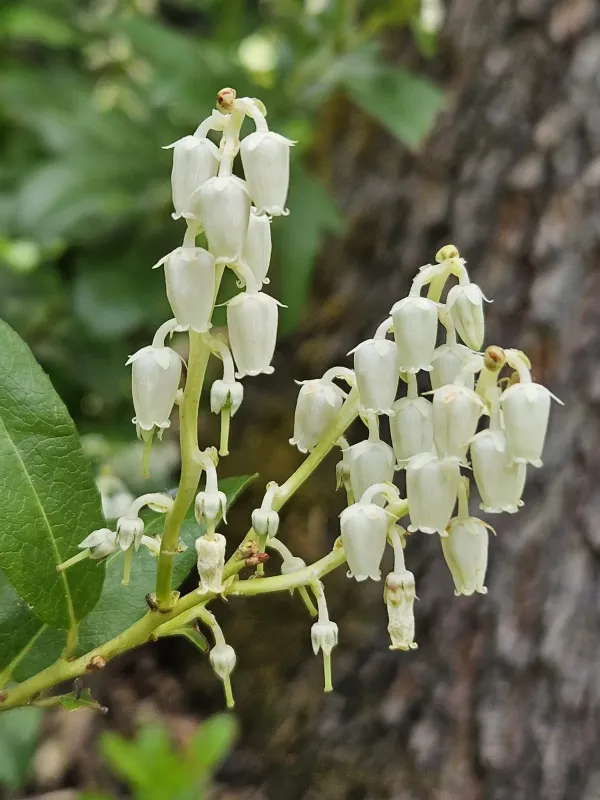
Leucothoe davisiae, commonly known as Sierra laurel, is a striking evergreen shrub belonging to the Ericaceae family. Native to the mountainous regions of California and Oregon, this plant is well-adapted to cool, moist environments often found under forest canopies.
The cultural requirements for this plant focus heavily on soil composition. It thrives exclusively in acidic, well-draining, and organic-rich soils. Gardeners should incorporate substantial amounts of peat moss or pine bark into the planting site to replicate the plant's native acidic forest floor habitat.
Regarding climate, Leucothoe davisiae prefers partial shade and protection from harsh, drying winds. While it enjoys moisture, it is imperative to avoid waterlogged conditions, which can lead to root system failure; therefore, choosing a site with excellent drainage is crucial.
Maintenance involves routine watering with low-mineral water to prevent alkaline buildup in the soil. Mulching with pine needles or compost helps to retain soil moisture and naturally maintain the acidity level necessary for the plant's long-term vitality and health.
The main horticultural use of this species is in landscape design, specifically within woodland gardens or as part of a border for larger ericaceous specimens. Its glossy foliage and racemes of white, urn-shaped flowers make it a highly desirable choice for adding texture and year-round interest to a shade garden.
Main diseases and pests
The most significant pathological threats to this shrub include Phytophthora root rot and various leaf spot fungi. These issues are almost exclusively associated with improper watering practices and poor soil drainage, necessitating careful irrigation management and the application of fungicides when conditions are damp.
Pest problems are generally limited to sap-sucking insects like spider mites, which can become problematic during hot, dry summer periods. Implementing a balanced care regime, including ensuring adequate air circulation and keeping the foliage clean, is the best defense against potential infestations.