
Lepisanthes tetraphylla
Lepisanthes tetraphylla
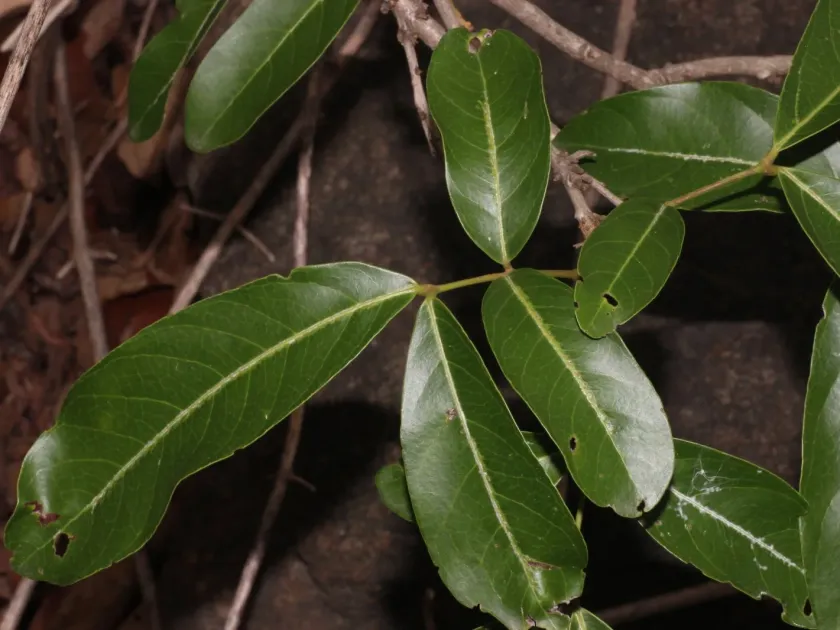
Description
Sowing dates
Lepisanthes tetraphylla, a member of the Sapindaceae family, is primarily propagated through seeds, which must be sown immediately after harvest due to their short viability.
Seeds are planted in a nutrient-rich, moist substrate at a constant temperature of approximately +25–28°C to ensure successful germination within a few weeks.
In their native tropical habitat, seedlings require protection from direct sunlight and consistently high humidity to establish a healthy root system during the first year.
For commercial orchards, vegetative propagation via air layering is preferred to maintain the genetic consistency of high-yielding cultivars and ensure earlier fruit production.
Seedlings or clones are ready for transplanting into the field once they reach a height of at least 40–50 cm and show signs of vigorous vegetative growth.
Growing requirements
This species thrives in humid tropical forest environments, necessitating stable temperatures and high atmospheric humidity throughout the entire growing season.
The ideal soil for Lepisanthes tetraphylla is deep, well-drained loam or red latosol with a pH range varying from slightly acidic to neutral.
Waterlogging is extremely detrimental to the plant, so agricultural sites must be equipped with effective drainage systems to prevent root suffocation.
Young trees require partial shade to mimic the forest understory, while mature specimens can tolerate full sun provided that moisture levels are sufficient.
In regions with distinct dry seasons, irrigation is mandatory to support bud differentiation and prevent fruit drop during the sensitive flowering and fruiting stages.
Yield
Fruit production generally begins 5 to 7 years after establishment, depending on the vigor of the tree and the specific environmental conditions of the site.
The fruit, borne in clusters, is a small, fleshy drupe with a pleasant sweet-and-sour flavor that makes it a popular local snack in its native regions.
Yields per tree can vary significantly depending on the age and maintenance, with mature trees potentially producing several dozen kilograms per harvest season.
Harvesting is a delicate, manual process, as the thin skin of the fruit is easily damaged, requiring careful handling and immediate post-harvest sorting.
Pruning is essential to maintain a manageable tree height, improve internal airflow, and ensure that light reaches the canopy to optimize fruit quality and quantity.
Main diseases and pests
Commercial plantations often face pressure from scale insects and mealybugs, which colonize young stems and leaves, extracting vital plant sap.
Leaf-feeding insects can cause significant damage to the foliage during active growth, necessitating regular monitoring and appropriate biological pest control measures.
Fungal diseases like anthracnose frequently occur during rainy seasons, manifesting as dark spots on leaves and fruits, leading to potential post-harvest losses.
Root rot, often caused by poor soil drainage and waterlogging, remains the most severe threat, frequently resulting in tree mortality if not addressed early.
Effective management includes maintaining tree hygiene, removing infected biomass, and optimizing soil drainage to promote strong tree defenses against common pathogens.