
Lepisanthes senegalensis
Lepisanthes senegalensis
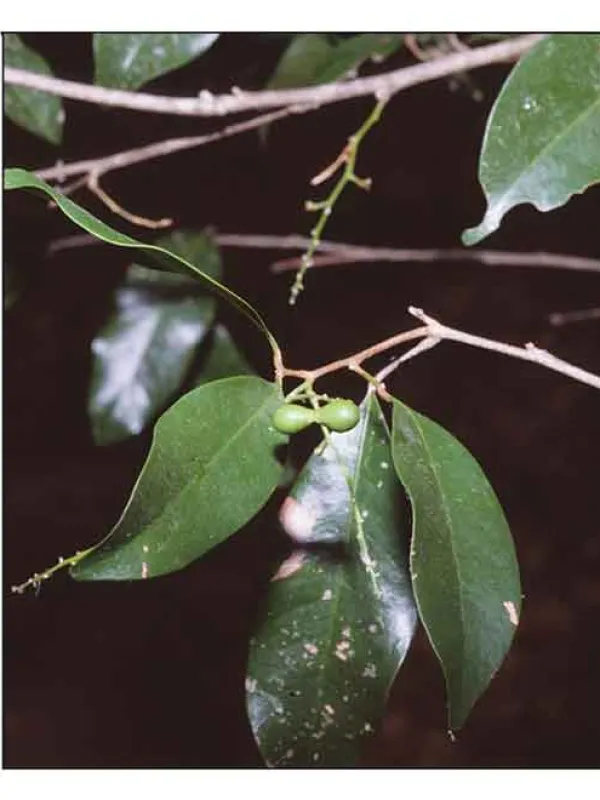
Description
Growing requirements
Lepisanthes senegalensis is a notable species within the Sapindaceae family, often recognized as a hardy evergreen shrub or small tree. Originating from tropical regions, it has adapted to diverse ecological niches, primarily within the African continent and certain areas of Asia.
The cultivation of this crop requires strict adherence to tropical climate parameters. It thrives in environments with consistent warmth and high humidity levels, as it lacks the physiological mechanisms to withstand frost or prolonged exposure to cold temperatures.
Soil requirements for optimal growth focus on fertility and drainage. The plant prefers deep, well-structured soils that are rich in organic matter. Proper soil aeration is critical, as stagnant water significantly inhibits root development and overall plant vigor.
In terms of light exposure, Lepisanthes senegalensis benefits from filtered sunlight. While mature specimens can withstand direct tropical sun, providing some shade during the initial growth stages ensures that the leaves do not sustain damage from excessive radiation.
Agricultural management involves regular pruning to maintain a manageable structure and ensure fruit yield. The species is valued not only for its edible fruit but also for its ecological role in supporting local biodiversity and contributing to the stability of the forest understory.
Main diseases and pests
Fungal diseases, particularly those affecting the foliage during the wet season, are the most significant threat to the crop. Proper canopy management and space between trees are essential to maintain airflow and reduce the incidence of fungal spores.
Sap-sucking insects, such as mealybugs and scale insects, frequently target the succulent growth of the plant. These pests can transmit viral infections, necessitating vigilant monitoring and the use of integrated pest management strategies.
Root rot pathogens represent a severe risk in regions with heavy clay soils or poor drainage capacity. Once established, these diseases are difficult to treat, making preventative soil management and strategic watering critical practices for farmers.
Stem borers pose an additional threat by creating galleries within the woody parts of the tree, which can lead to structural decay. Ensuring the trees are healthy and unstressed is the primary method of preventing successful infestation by these wood-boring larvae.
Environmental stressors like extended drought can lower the plant's natural resistance, making it more prone to attacks by opportunistic pests and diseases. Maintaining a consistent moisture level in the root zone is the most effective way to uphold the tree's health.