
Lepisanthes erecta
Lepisanthes erecta
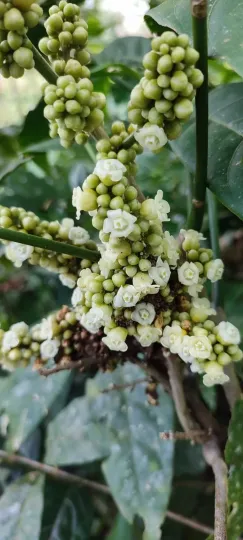
Description
Growing requirements
Lepisanthes erecta is a perennial evergreen shrub or small tree belonging to the Sapindaceae family. It is native to the humid tropical regions of Southeast Asia, where it typically occupies the understory of dense forests.
The plant thrives in a tropical climate characterized by consistently high humidity and warm temperatures throughout the year. It is highly sensitive to frost and does not tolerate sudden cold snaps, which makes it suitable only for specific tropical agricultural zones.
Cultivation requires fertile, well-draining soils with a slightly acidic to neutral pH. Proper soil structure is essential, as the roots are prone to rot if kept in waterlogged or overly compacted conditions for extended periods.
Botanically, the plant is known for its erect growth habit and compound leaves. It produces small, inconspicuous flowers followed by fruit that is valued for its nutritional properties and unique taste within local markets.
Agricultural use of Lepisanthes erecta primarily focuses on subsistence farming and local food production. Due to its unique structure, it also serves an ornamental role in tropical landscape design and agroforestry systems.
Main diseases and pests
The primary threats to Lepisanthes erecta include fungal pathogens that exploit high humidity and poor canopy airflow. Maintaining appropriate plant spacing and regular pruning are effective cultural practices to reduce disease pressure.
Insect pests, including aphids and scale insects, frequently target the succulent parts of the plant. Integrated pest management, including regular monitoring and the use of natural predators, is recommended to maintain plant health and productivity.