
Lepisanthes rubiginosa
Lepisanthes rubiginosa
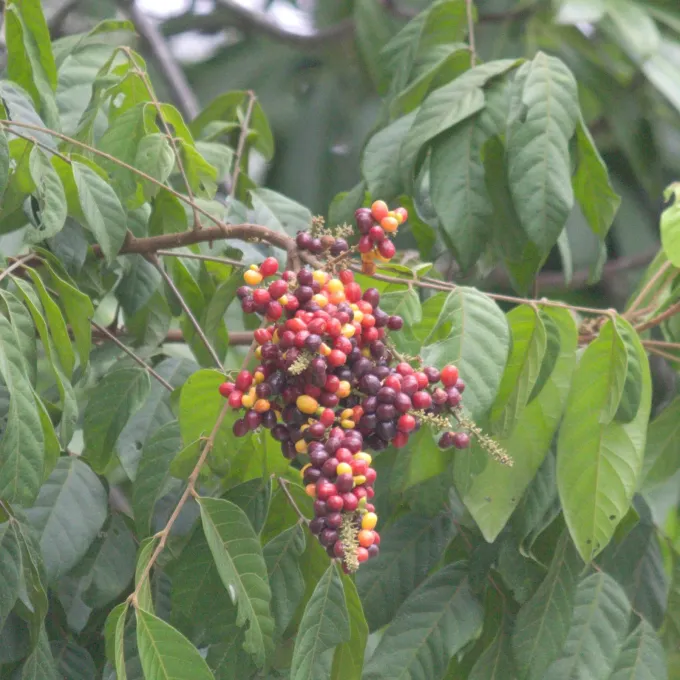
Description
Growing requirements
Lepisanthes rubiginosa is a robust evergreen tree belonging to the Sapindaceae family. It is native to the tropical regions of Southeast Asia, where it thrives in diverse ecological niches.
The plant requires a tropical climate characterized by high humidity and consistent warmth. It is highly intolerant of frost, meaning cultivation is restricted to tropical and subtropical zones where temperatures remain well above freezing.
Regarding soil requirements, the species performs best in deep, fertile, and well-drained loamy soils. It avoids waterlogged areas, as stagnant water significantly increases the risk of root rot and other soil-borne diseases.
Exposure to full sun is essential for the tree's vigor and fruit production. While young seedlings can tolerate partial shade, mature trees require significant sunlight to ensure the metabolic processes needed for flowering are efficient.
Agricultural management includes regular irrigation and the application of balanced organic fertilizers. Maintenance of soil structure and organic matter content is crucial for the long-term health of these perennial plants.
Yield
The primary agricultural value of Lepisanthes rubiginosa lies in its edible fruit. The fruits, which are small drupes, are gathered locally and appreciated for their distinct sweet-sour flavor profile.
Besides its edible properties, the tree is recognized for its dense and durable timber. In various Southeast Asian cultures, the wood is utilized for small-scale construction, tool handles, and decorative items.
Productivity is closely linked to tree age and light management. Strategic pruning not only makes harvesting more efficient but also ensures that the tree allocates more energy towards fruit development rather than excessive foliage.
The tree also plays a vital role in agroforestry systems. It can be interplanted with other crops to create multi-layered production systems, effectively utilizing space while providing shade and wind protection to smaller plants.
Given the increasing interest in exotic fruits, there is potential for optimizing yield through better selection of parent trees and improvements in basic horticultural practices in small-farm settings.
Main diseases and pests
Typical threats include common tropical fungal pathogens that target the root system. Proper field drainage and avoiding excessive water applications are the most effective preventive measures available to growers.
Pests like scales and mealybugs can infest the branches and leaves, causing sap depletion. Regular monitoring allows for early detection, which is key to controlling infestations without the need for excessive chemical spraying.
Fruit flies can also cause significant damage during the ripening phase. Integrated pest management strategies, such as the use of traps or protective bags for fruit clusters, are effective in minimizing crop losses.
Bacterial diseases causing leaf spots may occur during periods of high precipitation. Improving air circulation throughout the canopy through proper thinning and pruning helps reduce the environmental favorability for these pathogens.
Overall, maintaining tree health through balanced nutrition and proper spacing reduces the vulnerability of Lepisanthes rubiginosa to environmental stress and opportunistic pest attacks.
Harvesting
Harvesting is usually conducted manually, as the fruit ripens in bunches over an extended period. Careful picking is required to prevent bruising the delicate skin of the drupes during the collection process.
The timing of the harvest is critical; fruit is ideally picked when it reaches its characteristic color, indicating full maturity and peak sugar content for the best consumer acceptance.
Post-harvest handling is a challenge due to the fruit's short shelf life. Immediate cooling or processing is recommended to maintain quality, as the fruit tends to soften and degrade quickly under tropical temperatures.
Local markets are the primary destination for the harvest, where fruit is sold fresh. Some producers also process the pulp into juices, preserves, or syrups to increase the shelf life and value of the raw crop.
Proper logistical planning during the peak harvest season is essential to minimize wastage and maximize the economic return for farmers who rely on this crop as a secondary income source.