
Lepisanthes alata
Lepisanthes alata
Description
Growing requirements
Lepisanthes alata is a noteworthy fruit-bearing tree belonging to the Sapindaceae family. Native to the lush tropical regions of Southeast Asia, including parts of Malaysia and the Philippines, this species thrives in humid lowland environments where temperature fluctuations are minimal throughout the year.
The cultivation of this crop requires well-drained, nutrient-rich soils. While it can adapt to various soil types, loamy soils that facilitate deep root penetration and prevent waterlogging are preferred. Soil pH should ideally range from slightly acidic to neutral to ensure optimal nutrient uptake for the tree.
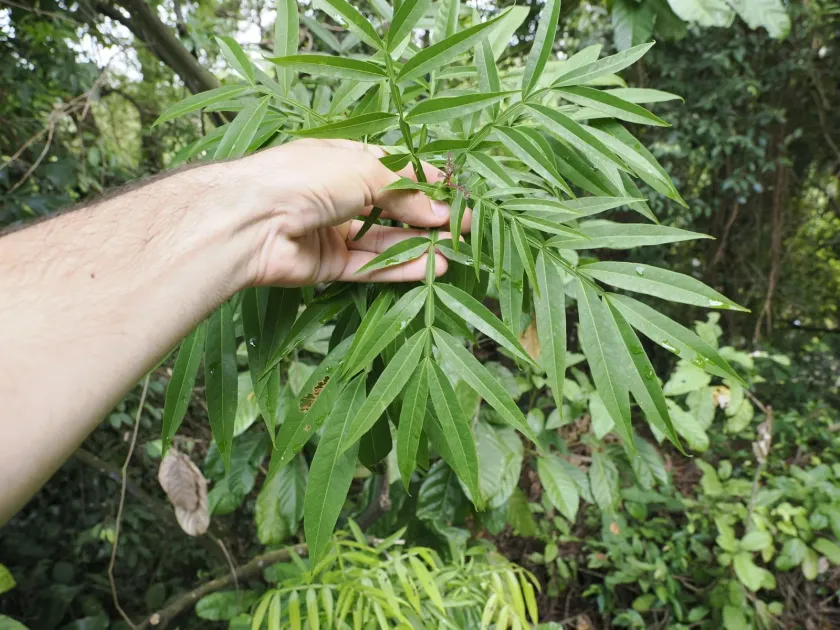
Botanically, the plant is recognized by its pinnately compound leaves, which feature distinct winged petioles, justifying its specific epithet. The tree generally develops a robust canopy, providing structural diversity within the agroecosystem and maintaining a moist microclimate at the soil level.
Agrotechnical management involves consistent irrigation practices, particularly during the establishment phase and the fruit-filling stage. Although the species is hardy in its native habitat, agricultural productivity is significantly enhanced by organic matter application and mulching to stabilize soil temperature and moisture.
The economic value of Lepisanthes alata lies primarily in its edible fruits, which are consumed locally. There is also potential for research into the nutritional profile of these fruits to expand their presence in niche health-food markets. Additionally, the wood is utilized in traditional local craft industries.
Main diseases and pests
Common phytosanitary concerns include fungal pathogens such as leaf spots, which proliferate in high-humidity conditions. Preventing these issues requires adequate spacing between trees to facilitate airflow, alongside the prompt removal of infected plant debris to mitigate the spread of spores.
Harvesting
Harvesting should be conducted with care to prevent bruising the delicate pericarp of the fruits. Given that ripening can be staggered, repeated inspections of the plantation are necessary to collect the fruits at their peak maturity, ensuring maximum sweetness and shelf-life quality.