
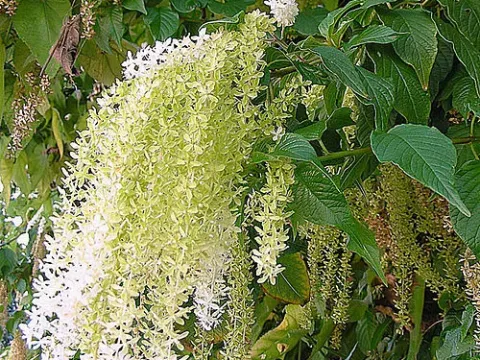
Ledenbergia
Ledenbergia
Ledenbergia is a genus of perennial plants belonging to the Phytolaccaceae family, primarily known for its architectural form and tropical origins.
What the section contains

Ledenbergia
When cultivating Ledenbergia from seed, sowing should ideally take place in early spring to utilize the natural increase in day length, which promotes vigorous growth.
The seeds require a consistent environment with temperatures between 22 and 25 degrees Celsius to achieve optimal germination rates in a controlled environment.
A high-quality, sterile, and well-draining seed-starting mix is essential for preventing damping-off, a common issue with tropical species during the initial growth phase.
Seedlings should be thinned out or transplanted into individual pots once they develop their first set of true leaves to prevent competition for space and nutrients.
Ledenbergia thrives in bright, indirect light; direct sunlight may be too harsh and can cause leaf scorching, especially in regions with high intensity UV rays.
The soil should be rich in organic matter and possess an excellent drainage profile, as these plants are highly susceptible to root decay when kept in waterlogged conditions.
Consistent watering is necessary to maintain soil moisture, yet the grower must ensure that the substrate is not excessively saturated between irrigation cycles.
The ideal pH range for this plant is slightly acidic to neutral, which allows for maximum nutrient uptake and promotes strong, healthy foliage development.
Maintaining a humid environment is beneficial, particularly in indoor settings, and can be achieved through misting or the use of professional humidification systems.
As a non-traditional agricultural crop, the yield of Ledenbergia is often defined by the volume of vegetative biomass produced per season under glasshouse conditions.
High yields of biomass are achievable when the plant is given sufficient root space and a regular feeding regimen of balanced nitrogen-based fertilizers.
Effective management includes regular pruning, which encourages the development of a bushier, more productive plant structure suitable for decorative or nursery markets.
The plant's natural growth rate makes it a highly sustainable option for producers who require quick turnaround times in ornamental plant production.
Biomass production is bolstered by high light levels, provided the heat does not stress the plant, making supplemental lighting an option for commercial growers.
Spider mites are a significant threat to Ledenbergia, especially in dry environments, and can cause rapid deterioration of the foliage if left unchecked.
Scale insects may also infest the stems, requiring early detection and the use of systemic insecticides or horticultural oils to mitigate their impact on plant health.
Root rot is the most serious disease risk, almost exclusively resulting from overwatering or poorly draining soil mixtures that limit oxygen availability to the roots.
Powdery mildew can occur in stagnant air conditions, emphasizing the need for proper spacing and consistent air circulation within the growing facility.
Implementing a rigorous sanitation program, including the sterilization of tools and greenhouse surfaces, is essential for minimizing the risk of pathogen spread.
Harvesting Ledenbergia involves careful planning, whether the objective is the collection of propagation material or the harvesting of decorative stems.
Propagation cuttings should be taken from healthy, non-flowering shoots to maximize the energy available for root development upon placement in the rooting medium.
Sanitized, sharp cutting tools are mandatory to ensure clean cuts, which reduce the risk of infection and facilitate faster tissue regeneration at the wound site.
Once harvested, material should be placed in a cool, humidified environment to prevent moisture loss and maintain the post-harvest quality of the plant tissues.
For those cultivating Ledenbergia for commercial purposes, the timing of harvest should coincide with peak market demand or specific plant maturity phases.