
Ledenbergia seguieroides
Ledenbergia seguieroides
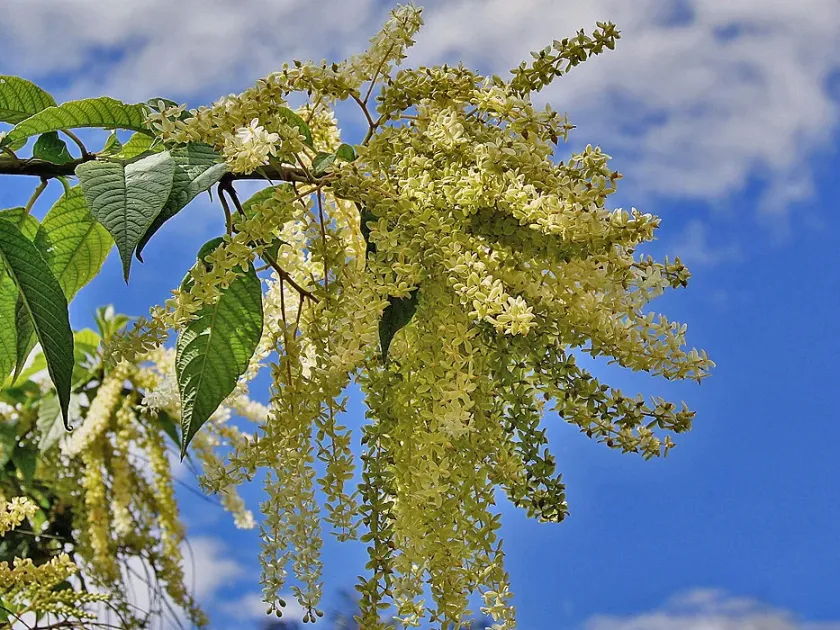
Description
Growing requirements
Ledenbergia seguieroides is a herbaceous perennial plant belonging to the Phytolaccaceae family. It is recognized for its unique morphological characteristics and its historical association with the diverse flora of the Neotropical regions, where it has evolved to thrive in competitive environments.
The plant originates from Central and South American ecosystems. In terms of climate requirements, it thrives in environments that provide consistent warmth and high humidity. It is sensitive to frost, which significantly limits its cultivation to tropical and subtropical climate zones.
Agronomic soil requirements focus on well-drained, nutrient-rich substrates that can support rapid biomass accumulation. Proper soil aeration is essential, as the root system of Ledenbergia seguieroides is susceptible to oxygen deprivation if waterlogging occurs for extended periods.
Botanically, the species is distinguished by its structural growth patterns and foliage development. The plant’s architecture supports efficient light interception, which is a critical factor for its development in forest-edge or open-field ecological niches throughout the growing season.
The economic potential of this culture is primarily concentrated in specialized uses, including the potential extraction of secondary metabolites or niche industrial applications. While currently not a global commodity crop, it remains a subject of botanical interest for sustainable agricultural diversification.