
Everlasting pea
Lathyrus sylvestris L. x L. latifolius L.
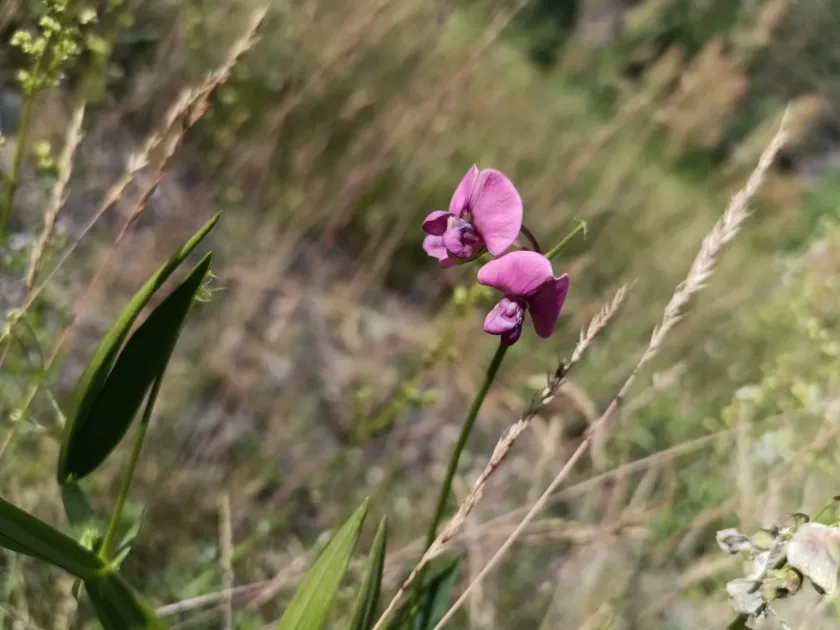
Description
Sowing dates
Sowing of the everlasting pea should be carried out in early spring, as soon as the soil is physically ready for cultivation. This plant is characterized by high seed germination energy and an ability to withstand late frosts, making early planting optimal.
To obtain uniform germination, seeds require preliminary scarification, as the dense seed coat hinders moisture absorption. Under temperate climate conditions, the optimal sowing depth ranges from 3 to 5 centimeters depending on soil texture.
When establishing seed plots or forage plantations, a row planting method with spacing of 30–45 centimeters is recommended. This provides sufficient space for the development of the plant's powerful root system during its first year of growth.
In subsequent years, the everlasting pea demonstrates an excellent capacity for vegetative regrowth, allowing plant stand density to remain stable provided that proper meadow management rules are followed.
The use of cover crops during sowing is generally not recommended, as the plant needs maximum access to sunlight in the initial stages of its ontogeny to form strong shoots.
Growing requirements
The everlasting pea belongs to the Fabaceae family and is a perennial herbaceous plant with a strong taproot. It demonstrates high ecological plasticity, developing successfully on both light sandy and heavy clay soils.
The crop is extremely drought-tolerant due to the deep penetration of its root system, which can extract moisture from lower soil horizons. It also tolerates shade well and can grow on forest edges, a trait derived from its origin in the Eurasian forest zone.
The plant has moderate requirements regarding soil acidity, though it prefers slightly alkaline or neutral substrates with a good calcium content. Excessive waterlogging and stagnant water are detrimental, so fields must have good natural drainage.
Temperature requirements are moderate; the plant is capable of enduring harsh winters, making it suitable for introduction into northern regions. High frost resistance allows the plant to survive snowless periods at low temperatures.
For optimal development, the everlasting pea requires the application of phosphorus and potassium fertilizers, which stimulate root development and increase the overall green mass productivity in long-term stands.
Yield
The green mass yield potential of the everlasting pea is very high and can reach significant levels with intensive agronomy. The plant is characterized by longevity, maintaining high productivity in one location for up to 10 or more years.
The nutritional value of the crop is comparable to the best alfalfa varieties, as it contains a high percentage of crude protein and essential amino acids. This makes the crop a valuable component for producing high-quality hay and haylage.
Maximum biomass yields are observed in the second or third year after sowing, once the plants have fully established the stand. Subsequent cuttings allow for sustained productivity provided that growth cycles are correctly alternated.
The everlasting pea tolerates grazing well, but for hay production, it is important to avoid letting the shoots overgrow to maintain high leafiness. The optimal leaf-to-stem ratio ensures high palatability for livestock.
When grown for seeds, yields can vary depending on pollinator activity, as the flowers require visits from bumblebees and other insects for effective pod formation.
Main diseases and pests
Primary threats to the everlasting pea are fungal diseases, such as anthracnose and powdery mildew, which occur when agrotechnical standards are violated, especially in cases of excessive stand density.
Root rots may affect young seedlings during prolonged rainy springs, leading to sparse stands. Prevention involves seed treatment and maintaining optimal seeding rates to ensure proper air circulation.
Among pests, the greatest danger is posed by nodule weevils, which damage the root system, and aphids, which suck sap from tender young shoots during the active growth period.
Leaf-eating insects rarely cause critical damage to plantations, but in years of mass outbreaks, they can reduce overall crop biomass. Monitoring field conditions allows for timely biological or chemical protection measures.
To prevent the spread of diseases, it is important to follow crop rotation practices and avoid monoculture cropping of this legume on the same plot for excessively long periods without rest.
Harvesting
The timing for harvesting the everlasting pea for hay is determined by the flowering phase, when the nutritional content reaches its peak. Usually, this is the period of mass flowering, just as the lower pods begin to form.
When mowing, it is important to leave a stubble height of 6–8 centimeters, which promotes rapid regrowth and preserves nutrient reserves in the rhizome for the plant's successful overwintering.
Hay drying requires careful handling, as the leaves are prone to shattering when they become too dry. The best approach is to use modern tedders that ensure uniform wilting of the crop mass.
When harvesting for seeds, wait until most pods have turned brown. It is crucial to conduct threshing in a timely manner, as overripe pods can shatter, leading to significant seed losses directly in the field.
Post-harvest seed processing includes cleaning and adjusting to standard moisture levels. Storage should take place in dry, ventilated areas to maintain high germination quality until the next sowing season.