
Broad-leaved everlasting pea
Lathyrus latifolius L.
Description
Sowing dates
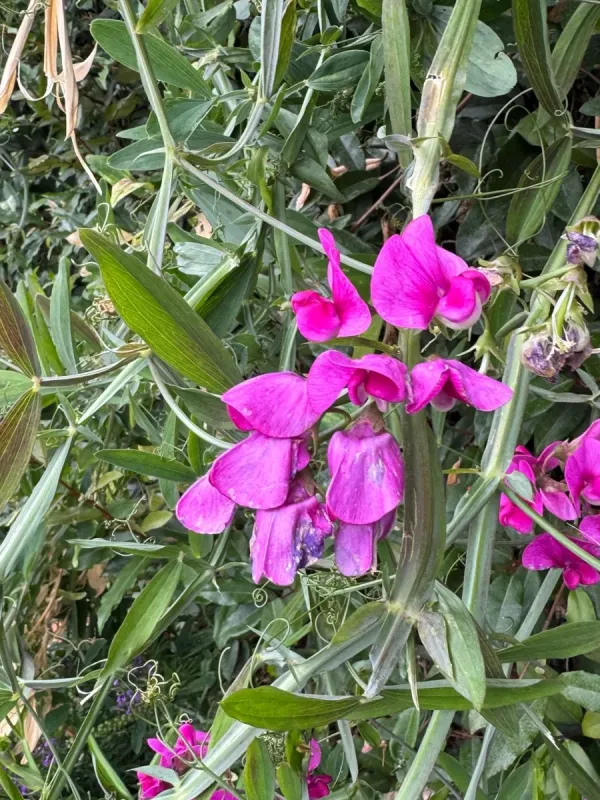
The broad-leaved everlasting pea is a hardy perennial legume known for its long lifespan and ability to provide a consistent source of forage. It is widely used in agricultural settings for soil stabilization and fodder production.
Sowing should take place in early spring when soil temperatures reach approximately 8–10 degrees Celsius. Seeds have a hard coat, so scarification is recommended to improve germination rates and ensure a uniform plant density.
Seeding rates usually range from 15 to 20 kilograms per hectare depending on the specific soil type and cultivation goals. The optimal planting depth is about 3 to 5 centimeters, providing enough coverage to prevent seedling desiccation.
This species develops a deep and extensive root system, making it an excellent choice for erosion control on slopes and wasteland improvement. Its robust growth habit allows it to outcompete weeds once established.
Biologically, the plant exhibits rapid vegetative growth after the initial spring emergence. Stems can reach heights or lengths of up to 3 meters, producing a significant biomass that is highly beneficial for soil structure.
Growing requirements
The plant performs best in deep, fertile loam soils with a neutral or slightly alkaline pH level. It shows poor development in waterlogged or heavily acidic environments, which limits its utility in certain geographic regions.
As a light-demanding species, the broad-leaved everlasting pea requires full sun for optimal photosynthesis and energy storage. Shaded environments lead to weaker stems and reduced biomass production per hectare.
It displays remarkable drought resistance, allowing it to flourish in arid and semi-arid conditions where other crops might fail. The deep root structure enables the plant to access moisture during periods of low rainfall.
Fertilization needs are modest because the plant can fix nitrogen from the atmosphere through symbiotic bacteria in its roots. Supplementing with phosphorus and potassium can enhance root depth and overall plant vitality.
Winter hardiness is a major advantage, as the plant can withstand severe frosts by protecting its crowns underground. This ensures a successful recovery every spring, even after harsh winters in temperate climates.
Yield
Farmers utilize this crop primarily as high-quality forage, either as fresh pasture or processed into hay. When harvested during the flowering stage, the protein content in its dry matter can reach up to 20 percent.
The green mass yield varies significantly based on environmental conditions but typically ranges between 20 and 30 tons per hectare. With proper management, the crop can sustain high yields over many consecutive years.
Livestock, particularly cattle and sheep, find the forage palatable and nutritious. The high mineral content, including calcium and phosphorus, promotes healthy growth and reproductive success in grazing animals.
Timing the harvest is critical; cutting during the full bloom phase maximizes the nutritional value before the stems turn woody. Rapid regrowth allows for multiple harvests throughout the growing season in optimal climates.
The plant also serves as a valuable nectar source for pollinators. While the primary use is for fodder, its secondary benefits for biodiversity and soil enrichment add significant value to a farm's ecosystem.
Main diseases and pests
Common diseases include powdery mildew and rust, which are most prevalent in humid conditions. Managing plant density and ensuring good air circulation are the most effective non-chemical ways to reduce disease outbreaks.
Pests like pea weevils may target the roots or foliage, especially in young stands. Aphids can also be a minor problem during particularly warm and dry spells, though they rarely cause fatal damage to healthy plants.
Integrated pest management focuses on monitoring and maintaining soil health. Avoiding over-fertilization and ensuring proper crop rotation can significantly decrease the risk of long-term pest and disease issues.
Weed control is primarily necessary during the first year of establishment. Once the crop forms a dense canopy, it naturally suppresses invasive plants, reducing the need for mechanical or chemical weed management.
Biological control agents, such as beneficial predatory insects, often keep pest populations in check. A robust and healthy stand is usually resilient enough to recover from pest pressure without the need for extensive intervention.
Harvesting
For hay production, mowing should be done using machinery that minimizes leaf loss, as leaves contain the highest concentration of vitamins and protein. Drying in windrows must be carefully monitored to avoid spoilage.
Seed harvesting should occur when the pods turn brown and reach full maturity. Because the pods are prone to shattering, timing is essential, and harvesting early in the morning can help reduce field losses.
Using a combine harvester requires precise adjustment of the cylinder speed to prevent damage to the seeds. High-quality seed production is vital for the continued success of the crop in future seasons.
Seed storage requires a cool, dry environment to maintain viability and prevent fungal growth. Moisture levels during storage should be kept below 14 percent to ensure the seeds remain dormant and healthy.
Incorporating crop residues into the soil after harvest contributes to organic matter buildup. This green manure effect improves soil structure, aeration, and fertility, benefiting any subsequent crops in the rotation.