
Chickling vetch
Lathyrus clymenum L.
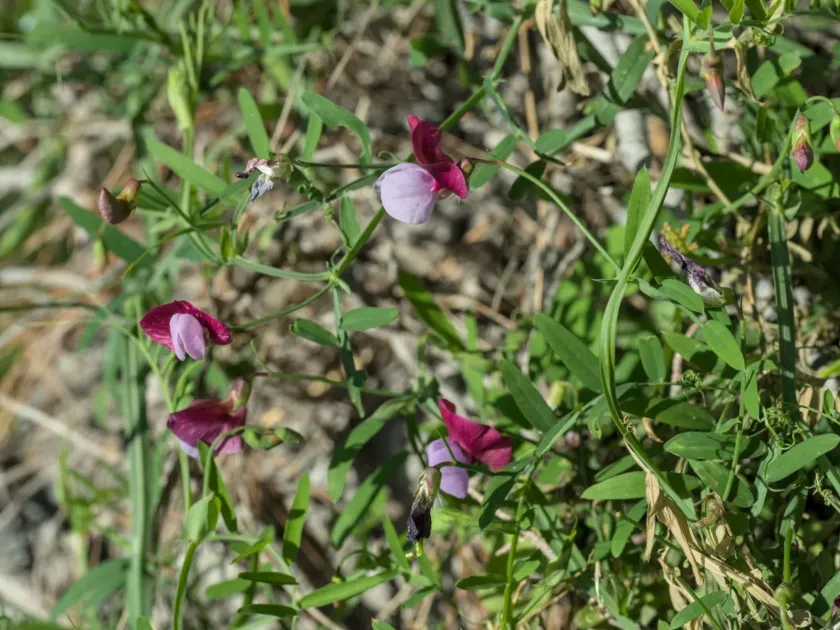
Description
Sowing dates
Lathyrus clymenum, commonly known as chickling vetch, is a nutritious annual legume belonging to the Fabaceae family. It has been cultivated for centuries in Mediterranean regions, valued primarily for its drought tolerance and distinct flavor profile in culinary traditions.
The sowing season typically begins in late autumn or early spring, depending on the local climate. Early sowing is often preferred to allow the crop to establish a robust root system before the onset of the hot and dry summer months.
The seeds should be planted at a depth of 3 to 5 cm in well-prepared, friable soil. Proper spacing is essential to minimize intraspecific competition and ensure that each plant receives adequate sunlight and ventilation.
Before sowing, it is beneficial to ensure the seedbed is free from perennial weeds, as the initial growth stage of chickling vetch is relatively slow and sensitive to weed pressure.
Farmers often use precision seeders to optimize plant density, which contributes to more uniform pod development and facilitates efficient harvesting practices later in the season.
Growing requirements
Chickling vetch is highly adapted to calcareous, well-drained soils and can thrive in impoverished substrates where other legume species often fail to produce a viable yield. It prefers a neutral to slightly alkaline pH range.
The crop is known for its remarkable resilience to drought, making it an excellent choice for arid and semi-arid agricultural environments. However, sufficient moisture during the flowering and pod-filling stages is critical for achieving high-quality yields.
Moderate temperatures ranging from 15 to 25 degrees Celsius are ideal for vegetative growth. Extreme heat during the reproductive phase may cause flower abortion, necessitating careful site selection.
Sunlight is a key requirement, as the plant needs full exposure to achieve its full potential. Avoid shaded areas, such as those near tree lines or structures, to prevent etiolation and poor pod set.
While the plant does not require high levels of nitrogen fertilizer due to its ability to fix atmospheric nitrogen via symbiotic bacteria, supplementing with phosphorus can promote better seed quality.
Yield
The yield of Lathyrus clymenum is determined by environmental conditions and proper field management. While it may not compete with high-input commercial crops, it offers superior stability in marginal environments.
Effective management of weeds during the early vegetative phase is the primary factor in maximizing biomass and subsequent grain production. Regular cultivation between rows is a common practice in sustainable systems.
The nutritional content of the seeds, particularly protein, makes chickling vetch a high-value crop for both niche culinary markets and animal feed sectors. Careful handling during harvest helps maintain the high quality of the pulses.
Crop rotation plays a significant role in sustaining yields over time. By alternating with cereals, farmers can maintain soil fertility and reduce the build-up of soil-borne pathogens specific to legumes.
Ongoing agricultural research aims to select varieties with higher yield potential and more synchronized ripening, which will further improve the viability of this crop for modern farming operations.
Main diseases and pests
Fungal pathogens such as anthracnose and root rot are the primary threats to the crop, especially in conditions of high humidity. Preventive measures include using treated seeds and strictly adhering to crop rotation schedules.
Insects like pea aphids and weevils can cause significant damage to leaves and generative organs. Integrated pest management strategies, involving regular monitoring and the use of bio-rational pesticides, are recommended.
Powdery mildew may occur if the canopy remains too dense and lacks proper air circulation. Ensuring adequate plant spacing during sowing is an effective way to mitigate this risk naturally.
Weed management is not only important for reducing competition but also for preventing the spread of viral diseases, as certain weeds can host vectors that transmit viruses to the legume crop.
Monitoring the soil for nematodes is also advisable in areas with a long history of legume production to prevent damage to the plant's symbiotic nitrogen-fixing nodules.
Harvesting
Harvesting should be conducted when the pods reach maturity and begin to change color, signaling the transition to the dry seed stage. Delaying the harvest increases the risk of pods splitting and subsequent grain loss.
On larger scales, mechanical harvesting is performed using combine harvesters. Careful calibration of the machine settings is essential to avoid crushing or cracking the sensitive seeds during the threshing process.
Post-harvest, the grains must be cleaned and dried to a moisture content of approximately 12–14% to ensure long-term stability and to prevent the development of mold or stored-grain pests.
The straw remaining after the harvest is often baled and used as a nutritious forage for livestock, providing an additional source of value from the same acreage.
Properly stored seeds retain their quality for extended periods, allowing producers to capitalize on market demand and manage supply throughout the year effectively.