
Chickling vetch
Lathyrus cicera x Lathyrus sativus
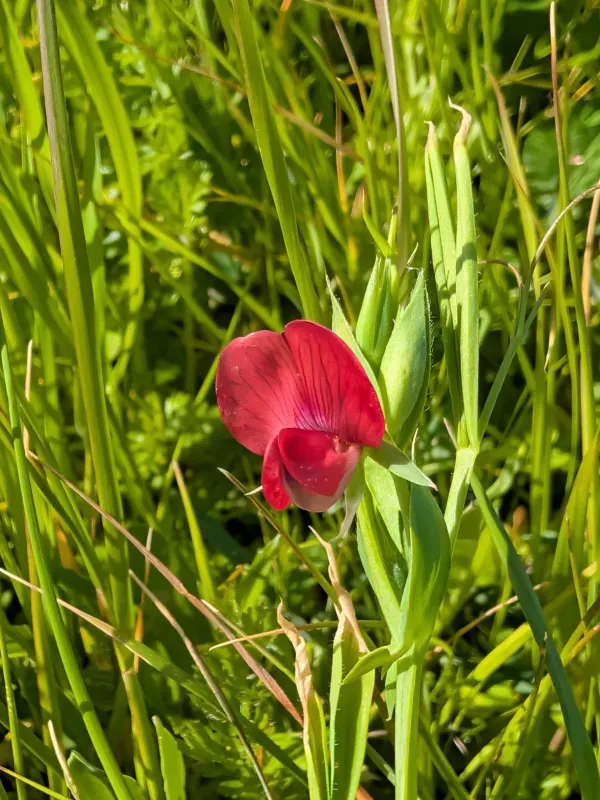
Description
Sowing dates
Chickling vetch, or Lathyrus cicera, is a resilient annual legume belonging to the Fabaceae family. It is increasingly valued in modern agriculture for its ability to thrive in challenging environments and its role in sustainable nitrogen fixation.
Sowing should take place in early spring once soil temperatures reach approximately 5 to 8 degrees Celsius. Early planting is crucial to leverage residual winter moisture, allowing the plant to establish a robust root system before the onset of summer heat.
The optimal seeding rate varies from 0.8 to 1.2 million viable seeds per hectare, depending on regional climatic conditions and soil fertility. Seeds should be placed at a depth of 4 to 6 centimeters to ensure good soil contact and uniform germination.
Chickling vetch demonstrates strong seedling vigor, which helps the crop compete effectively with weeds during the early vegetative stage. Proper plant spacing is essential to ensure a uniform canopy, which is vital for maximizing biomass production.
As a nitrogen-fixing legume, it reduces the need for synthetic nitrogen fertilizers in crop rotations. Its inclusion in cereal-based rotations improves overall soil health and nutrient availability for subsequent crops.
##requirements##One of the primary benefits of chickling vetch is its significant drought tolerance. It performs exceptionally well in arid and semi-arid regions where other traditional pulses may fail due to water stress.
The crop prefers well-drained, neutral-pH soils ranging from sandy loams to silt loams. It does not tolerate waterlogged conditions or highly acidic environments, which can significantly inhibit root nodulation and overall plant development.
Lathyrus cicera is a light-demanding crop. It requires full exposure to sunlight throughout its vegetative cycle to optimize the photosynthetic process and ensure timely flowering and pod development.
While relatively hardy, the plant benefits from consistent moisture during the critical flowering and pod-filling phases. Supplemental irrigation, if available, can drastically improve yields in exceptionally dry years.
Good soil preparation is necessary to ensure a fine seedbed. A smooth soil surface facilitates mechanized harvesting, which is critical for reducing post-harvest losses and ensuring economic viability.
Yield
Chickling vetch can produce grain yields ranging from 1.5 to 3.0 tons per hectare under standard agricultural practices. Yield variations are primarily influenced by seasonal rainfall patterns and soil fertility levels.
Beyond grain production, the crop is highly esteemed for its forage quality. Both the green biomass and hay are protein-rich and provide balanced nutrition for livestock, making it a dual-purpose crop in many farming systems.
The nutritional profile of the grain includes high levels of protein and essential amino acids. When properly processed, it serves as an excellent concentrate for feeding ruminants, supporting healthy growth and productivity.
Application of micronutrients such as boron and molybdenum can enhance the performance of nitrogen-fixing bacteria. Such targeted nutritional support often results in a measurable increase in both vegetative mass and grain output.
Genetic diversity within the Lathyrus species offers potential for further yield improvements through selection and breeding. Modern cultivars are increasingly focusing on standability and uniform maturity.
Main diseases and pests
Common diseases affecting chickling vetch include Fusarium wilt and Ascochyta blight. These pathogens are most prevalent under high-humidity conditions and can lead to significant reductions in both seed quality and total yield.
Insect pests, specifically root nodule weevils, pose a threat to young seedlings. Later in the season, bruchid beetles can infest pods, potentially damaging the stored grain if not controlled through appropriate post-harvest storage techniques.
Integrated pest management (IPM) strategies, including strict crop rotation, are essential. Moving legumes to new fields every three to four years helps break the life cycle of soil-borne pathogens and minimizes pest pressure.
Maintaining proper field hygiene, such as removing crop residues, helps reduce the carry-over of disease spores. Regular field scouting is recommended to identify issues early and minimize the need for blanket chemical applications.
Using certified, disease-free seed is the most effective preventative measure against seed-borne pathogens. This ensures that the crop gets off to a healthy start and minimizes the risk of introducing new diseases to the field.
Harvesting
Harvest timing is a critical factor for success. The process should begin when approximately 75–80% of the pods have matured and changed color, but before they become overly dry and prone to shattering.
In many regions, swathing (cutting and windrowing) is preferred over direct combining. This method allows the crop to dry more evenly, significantly reducing seed loss due to shattering in the field during the final ripening stages.
When direct combining, the threshing mechanism must be adjusted carefully to prevent grain cracking. Chickling vetch seeds are sensitive to mechanical impact, and reducing drum speed is vital to maintain seed integrity.
Post-harvest management requires immediate cleaning and drying of the grain to a moisture content of approximately 14%. Proper storage conditions, including cool and dry environments, are necessary to prevent spoilage and insect infestation.
Efficient harvesting directly impacts profitability. Completing the harvest before autumn rains occur is essential for maintaining grain quality and ensuring the product meets market standards for consumption or animal feed.