
Green-flowered vetchling
Lathyrus chloranthus Boiss.
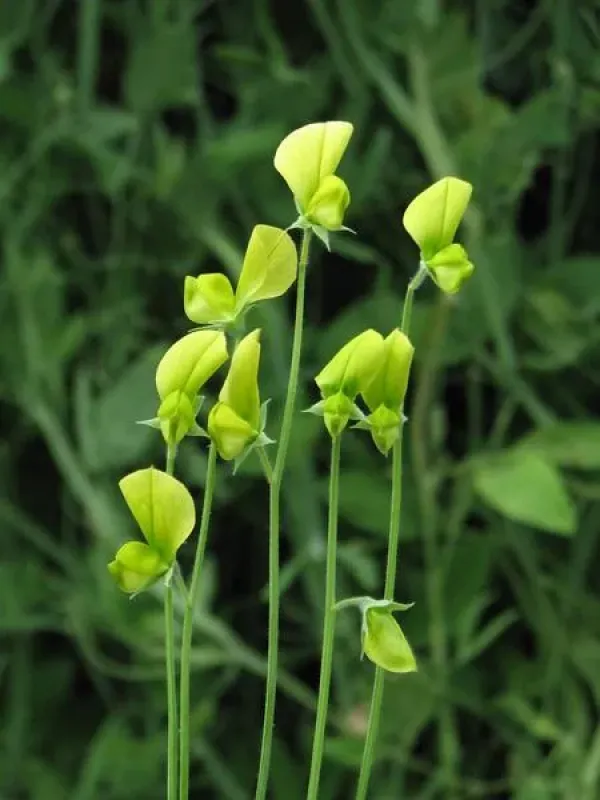
Description
Sowing dates
Sowing of the green-flowered vetchling is typically carried out in early spring as soon as the soil warms up to a temperature of +5...+7°C. Optimal timing allows the seeds to utilize soil moisture effectively, ensuring rapid germination and uniform establishment across the field.
The sowing depth is set between 3 to 5 cm depending on the soil texture. In lighter, sandy soils, deeper placement is required to reach the moisture-holding layer, preventing the seeds from drying out before they can establish a robust root system.
Seeding rates are calculated based on the intended use, whether for biomass or grain production. A standard row sowing method is preferred as it facilitates weed control and allows for consistent plant distribution, which is essential for uniform crop development.
Seed treatment with fungicides and specialized inoculants containing nitrogen-fixing bacteria is crucial. This pre-planting preparation ensures that the crop can thrive and improve soil fertility by fixing atmospheric nitrogen, characteristic of the legume family.
After sowing, rolling the field is recommended to improve soil-to-seed contact. This practice eliminates large air pockets in the soil and promotes capillary water movement toward the germinating seeds, significantly increasing the probability of a successful stand.
Growing requirements
The green-flowered vetchling belongs to the Fabaceae family and has moderate requirements for environmental conditions. It is a cool-season crop, demonstrating good cold tolerance during the seedling stage, making it suitable for temperate agricultural regions.
The crop thrives in well-structured, fertile soils with a pH ranging from neutral to slightly alkaline. Poorly drained areas must be avoided, as stagnant water significantly increases the risk of root rot and inhibits the activity of beneficial symbiotic bacteria.
While the plant exhibits notable drought tolerance once established due to its deep root system, moisture availability during the flowering and pod-filling stages is critical. Drought during these periods can lead to flower abortion and a substantial reduction in yield.
Phosphorus and potassium fertilizers are particularly beneficial for this crop, as they support stem integrity and enhance reproductive development. Nitrogen fertilizer application is usually minimal, given the crop's ability to fix its own nitrogen once established.
In crop rotation, this vetchling species is highly valued as a restorative crop. It leaves a significant amount of nitrogen in the soil, which benefits subsequent cereals or non-leguminous crops, making it an excellent component of sustainable farming systems.
Main diseases and pests
Fungal diseases, such as Fusarium wilt and root rots, represent the most significant threat to green-flowered vetchling crops. These are exacerbated by high humidity and poor field drainage, necessitating strict adherence to long-term crop rotation cycles.
Insect pests, including pea weevils and aphids, can cause significant damage to foliage and developing seeds. Integrated pest management strategies, involving regular monitoring and the use of selective insecticides, are required to protect the crop during vulnerable phases.
Ascochyta blight is a prevalent disease that causes lesions on leaves, stems, and pods. Prevention through the use of certified, disease-free seed and field sanitation is more effective than curative chemical applications once the disease has reached an epidemic stage.
Aphids can cause direct damage by feeding on plant sap and indirect damage by transmitting viral diseases. Early detection is essential, as heavy infestations can stunt plant growth and drastically lower the overall nutritional value of the harvested material.
Weed competition poses a severe challenge during the early establishment phase. Since the crop develops relatively slowly in the first few weeks, implementing mechanical weeding or using pre-emergence control methods is vital to ensure the crop gains a competitive advantage.