
Potanin's larch
Larix potaninii
Description
Growing requirements
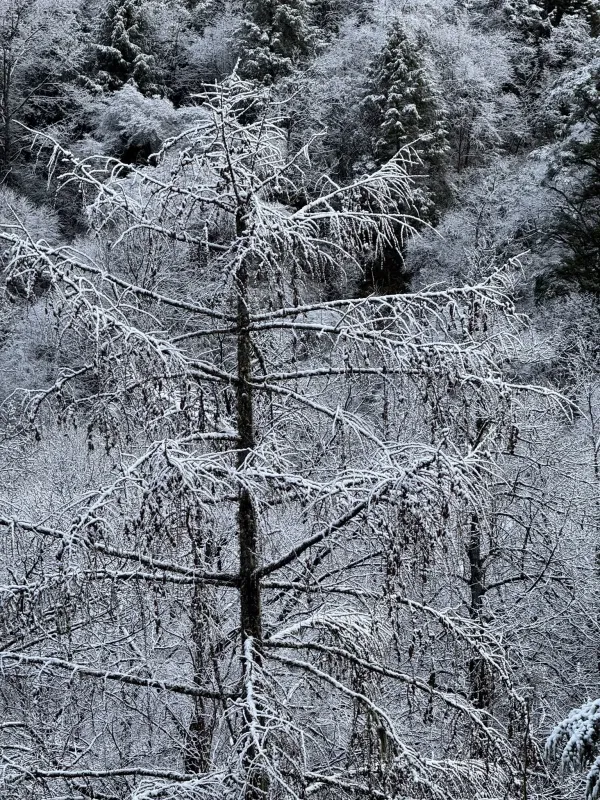
Potanin's larch (Larix potaninii) is a prominent member of the Pinaceae family. It is a large deciduous conifer, reaching heights of up to 30 meters, characterized by its drooping branchlets and distinctive reddish-brown bark.
Native to the mountains of southwestern China, this species thrives in subalpine environments. It is highly adapted to high-altitude regions, where it endures cold temperatures and significant exposure to mountain winds.
Cultivation requires well-drained, nutrient-rich soils. While the species is resilient, it cannot tolerate waterlogged conditions, making proper soil preparation and drainage essential for successful planting in temperate zones.
Potanin's larch is strictly heliophilous, requiring full sun exposure for healthy development. Shaded conditions will lead to sparse foliage and increased vulnerability to structural degradation or stunted growth over time.
Economically, the species is highly valued for its durable timber, which is widely utilized in structural construction. Additionally, its aesthetic autumn foliage makes it a sought-after ornamental choice for large parks and botanical collections.
Main diseases and pests
The primary pathological threats include needle cast diseases triggered by moisture stress or fungal pathogens. Maintaining good air circulation within the canopy and managing soil moisture levels are the best preventative strategies for plantations.
Pest pressures often involve larch aphids and sawflies, which can cause significant defoliation if left untreated. Integrated pest management, including regular monitoring during the budding stage, is recommended to ensure tree health.