
Rubus coreanus
Rubus coreanus Miq.
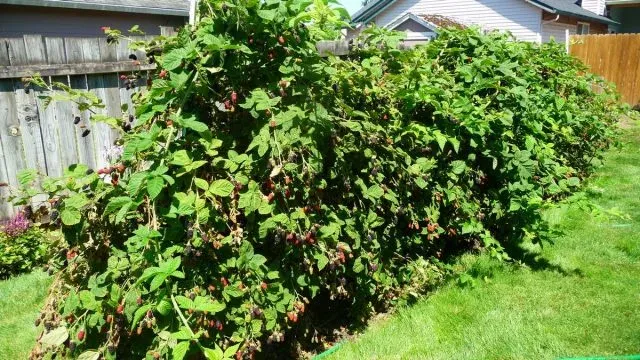
Description
Sowing dates
Propagation of Rubus coreanus is typically achieved through seeds which require cold stratification for at least two to three months before sowing.
When sowing in the field, it is recommended to prepare a weed-free seedbed to prevent competition during the initial growth stages of the seedlings.
Vegetative propagation using root cuttings or layers is often preferred in commercial settings to ensure genetic uniformity and faster establishment of the berry patch.
Optimal planting time is early spring after the risk of severe frost has passed, allowing the plants to develop a strong root system before the summer heat.
Spacings must be carefully planned, with at least two meters between rows to facilitate machinery access and adequate light penetration to the inner canopy.
Growing requirements
Rubus coreanus thrives in well-drained, fertile soils with a high organic matter content, as it is sensitive to waterlogged conditions that can cause root rot.
A soil pH ranging from 5.5 to 6.5 is ideal to ensure the optimal availability of essential micronutrients required for vigorous cane growth and fruit set.
The plant requires full sun exposure to maximize photosynthetic activity, which is crucial for the development of high-quality berries with high sugar content.
Consistent moisture management, particularly during the flowering and fruit development stages, is essential for maintaining crop productivity and berry size.
Protection from prevailing winter winds is advisable, especially in colder regions, to prevent desiccation and damage to the apical buds of the canes.
Yield
Yield potential in Rubus coreanus is highly dependent on pruning practices, which involve the removal of old, fruited canes to encourage new vegetative growth.
Harvesting usually begins in the third year after planting, with yields increasing steadily as the root system matures and the bushes reach their full size.
The fruit clusters are harvested when fully ripe, characterized by a transition from deep red to dark, almost black, purple hues with a characteristic flavor.
Proper nutrient management, especially the application of potassium-based fertilizers, significantly impacts the sweetness and shelf life of the harvested berries.
Maximum yields can be sustained by replacing old canes every few years and ensuring that the plant density does not exceed the capacity of the site.
Main diseases and pests
The primary threats to Rubus coreanus include fungal pathogens such as cane blight and gray mold, which are favored by high humidity and poor air circulation.
Regular sanitation, including the prompt removal and burning of infected canes, is a critical management strategy to limit the spread of disease within the orchard.
Pests like spider mites and aphids can cause significant damage to the leaves, reducing the photosynthetic capacity of the plant and weakening overall vigor.
Monitoring the plantation for signs of infestation or infection should be a routine practice during the active growing season to allow for timely intervention.
Integrated pest management, focusing on biological controls and minimal chemical use, is the most sustainable approach for long-term health of the Rubus patch.
Harvesting
Hand harvesting is the only viable method for collecting Rubus coreanus berries due to their delicate nature and high susceptibility to bruising.
Harvesting should be done early in the morning to minimize heat stress on the fruit and maintain the cold chain from the field to the storage facility.
The fruit should be handled carefully, placing them into shallow containers to prevent crushing and to ensure proper airflow during transport.
Once harvested, the berries should be cooled immediately to near-zero temperatures to extend their shelf life and maintain their sensory quality.
For the processed food market, berries are often quick-frozen to preserve their nutritional profile, particularly the high levels of bioactive compounds.