
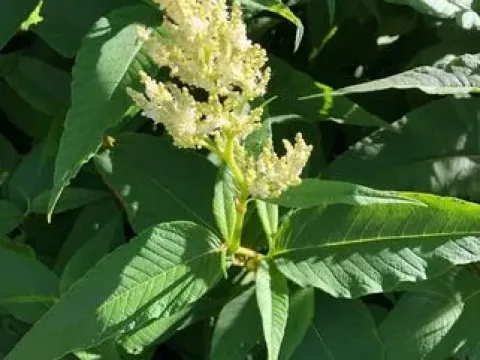
Koenigia
Koenigia
Koenigia is a genus of plants belonging to the Polygonaceae family, primarily adapted to harsh arctic and alpine environments. While not currently grown as a widespread commercial crop, its biological resilience makes it a subject of interest for specialized agricultural research.
What the section contains


Koenigia
The seeds of Koenigia are exceptionally small and possess a complex dormancy mechanism. For successful propagation, seeds should be sown in the autumn, allowing them to undergo natural stratification through freezing winter temperatures, which breaks dormancy.
When seeding in nursery conditions, it is crucial to place the seeds on the soil surface or cover them with a very thin layer of fine substrate. Deep burial prevents germination, as the seeds require exposure to light and oxygen to trigger metabolic processes.
Seedlings emerge during the early spring as soon as the frost thaws. In the first few weeks, the plants are highly vulnerable to moisture stress, necessitating consistent, gentle irrigation to ensure the soil remains moist but not waterlogged.
The life cycle of the plant is compressed into a short growing season. Rapid growth and development allow the plant to complete its reproductive phase, including seed maturation, before the arrival of the first autumnal frosts in its native habitat.
Koenigia requires cool and humid conditions to thrive. It naturally inhabits areas with high atmospheric humidity, such as stream banks or tundra slopes, making it unsuitable for hot, arid climates without significant environmental modifications.
The soil should be well-drained, acidic to neutral, and rich in organic matter. Soils that are prone to compaction are unsuitable as they hinder the delicate root system of the plant, leading to stunted growth or total failure of the crop.
Light intensity is a critical factor for the plant's development. Despite being an arctic plant, it requires high levels of solar radiation during its active growth phase to ensure efficient photosynthesis and the synthesis of protective biochemical compounds.
Optimal temperature management is necessary for cultivation outside its natural range. The root zone must remain cool; therefore, mulching with light-colored materials can help reflect solar energy and maintain lower soil temperatures during warmer days.
Nutrient requirements are modest compared to traditional crops. Koenigia is adapted to nutrient-poor soils; excessive nitrogen application can lead to overly succulent, weak stems that are susceptible to damage and disease rather than promoting yield.
Root rot represents the primary threat to Koenigia, particularly when the soil drainage is inadequate. High moisture combined with stagnant air or warm temperatures creates the perfect environment for fungal pathogens to attack the root crown.
Insect pests are generally a minor concern due to the plant's adaptation to extreme, low-insect environments. However, aphids can occasionally infest tender new growth, weakening the plant and potentially transmitting viral diseases.
Competition from weeds is a significant agricultural threat. Because Koenigia grows relatively slowly in the early stages, it can be easily outcompeted for light and nutrients by invasive species, requiring vigilant manual weeding of the planting area.
Environmental fluctuations, particularly prolonged heatwaves, can cause rapid decline. Heat stress weakens the plant's natural defense systems, making it more prone to secondary infections from opportunistic fungi or bacteria.
Good cultural practices, such as maintaining proper spacing and ensuring excellent air circulation around the plants, are the most effective methods for disease prevention. Chemical interventions should be avoided due to the plant's sensitivity to synthetic residues.