
Koenigia limosa
Koenigia limosa
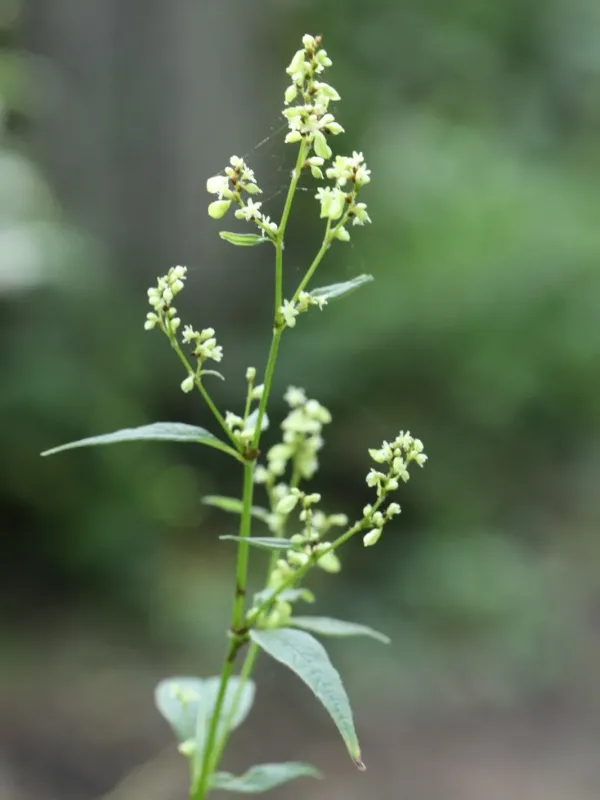
Description
Sowing dates
Koenigia limosa is a distinct species within the Polygonaceae family, primarily adapted to wet environments and marshy lands. While not a conventional agricultural crop, it serves a critical role in wetland biodiversity.
In its natural habitat, the plant propagates through seeds that germinate as water levels recede in late summer. This biological timing allows the plant to exploit nutrient-rich mudflats left behind by rivers.
If attempted for cultivation, the seeds should be placed in a constantly moist, organic-rich substrate. High humidity is mandatory during the initial growth stages to ensure the survival of the seedlings.
The growing season is dictated by water temperatures. The plant experiences its peak development when the ambient and aquatic temperatures remain consistently between 15°C and 20°C.
The plant exhibits remarkable adaptation to fluctuating water levels, a common feature in its native floodplains. Its ability to tolerate temporary submergence makes it a resilient species in its ecosystem.
Growing requirements
The primary environmental requirement for Koenigia limosa is a waterlogged, silt-based soil. The plant functions as a hydrophyte, meaning it is biologically optimized to thrive in aquatic or semi-aquatic zones.
Exposure to direct sunlight is essential for optimal photosynthetic activity. Insufficient light leads to stunted growth and reduced seed production, which limits the longevity of the local population.
The pH levels of the soil should ideally remain in the neutral to slightly acidic range. High concentrations of salts or minerals can interfere with nutrient uptake through the root system.
While the species is hardy against short-term flooding, it does not survive prolonged drought conditions. Continuous water access is the primary factor in sustaining a healthy stand of plants.
The plant thrives in temperate climates. Its overwintering strategy involves a robust seed bank within the soil, allowing it to survive harsh winter conditions and emerge when the soil warms up.
Main diseases and pests
The species is susceptible to various fungal infections, particularly during stagnant water conditions or high humidity with low airflow. These pathogens often target stems, causing decay.
Gastropods and other aquatic invertebrates are known to graze on the succulent foliage of the plant. Significant damage from such pests can leave the plant vulnerable to secondary infections.
Increased competition from invasive aquatic weeds poses a constant threat to Koenigia limosa. Aggressive species can rapidly shade out and outcompete it for essential nutrients in the mud.
Pollution, including chemical runoff from nearby industrial or agricultural zones, is a major threat. The plant's root system is sensitive to synthetic chemicals, which can inhibit its growth cycles.
Proper habitat management is necessary to control threats. Ensuring consistent water quality and preventing the accumulation of toxic runoff are vital for the protection of this species.