
Koenigia filicaulis
Koenigia filicaulis
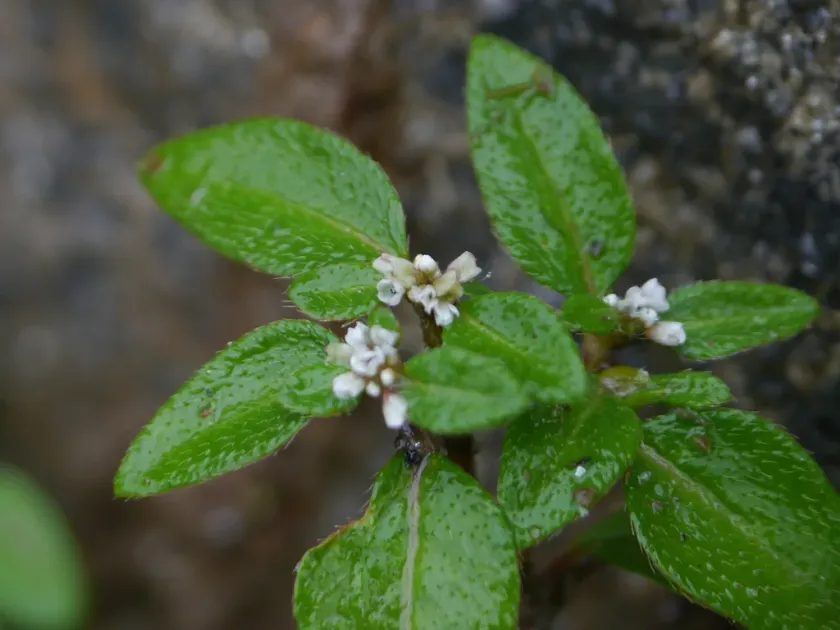
Description
Growing requirements
Koenigia filicaulis is a unique member of the Polygonaceae family, primarily adapted to extreme high-altitude environments where growing seasons are short and temperatures are low.
The plant is characterized by its slender, filiform stems and an ability to thrive in moist, rocky substrates, making it a specialized crop rather than a broad-acre commodity.
Successful cultivation requires soil that is rich in organic matter, acidic to neutral in pH, and consistently moist to mimic the plant's natural riparian or mountain-slope habitats.
Climate control is crucial; the crop performs best in cool, humid conditions, avoiding excessive heat which can cause the plant to undergo premature senescence.
Agronomic management focuses on site selection, ensuring the location provides sufficient drainage to prevent root rot while maintaining the high moisture levels that this species demands.
Main diseases and pests
In intensive cultivation systems, Koenigia filicaulis is susceptible to various fungal pathogens if soil drainage is compromised during rainy seasons or frequent irrigation.
Common agricultural pests such as aphids or spider mites can pose a threat, particularly when the plant is grown outside its natural geographic range.
Weed management is a critical component of crop health, as the species lacks aggressive growth and can easily be outcompeted by more vigorous wild plant species.
Prevention of disease relies on strict adherence to sanitation protocols, such as removing debris and preventing the crowding of plants, which improves airflow.
Monitoring the soil nutrient balance is also vital, as excessive nitrogen levels can lead to succulent growth that is more prone to pest attacks and mechanical damage.