
Koenigia divaricata
Koenigia divaricata
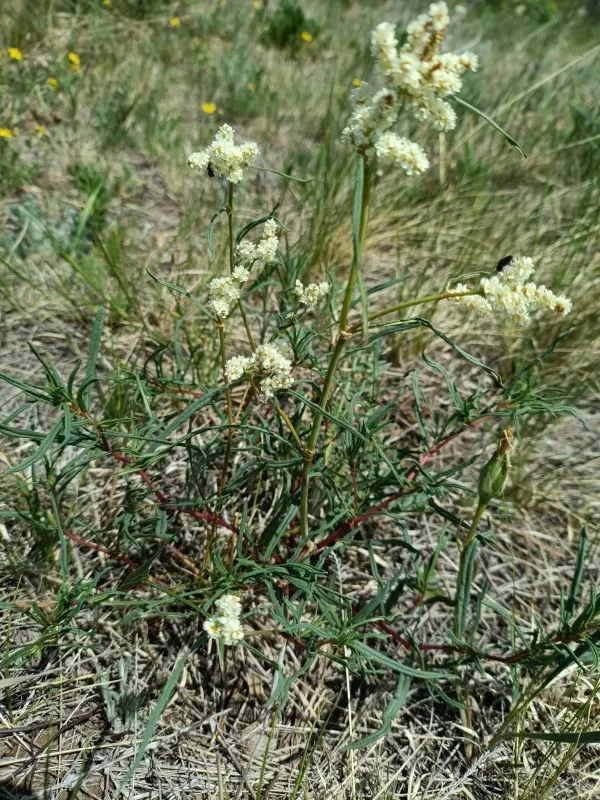
Description
Sowing dates
Koenigia divaricata is a perennial herbaceous plant, typically propagated via seeds sown in early spring or through vegetative division of the root system.
Seed sowing should be performed at a shallow depth, as the small seeds require surface contact with moist soil to trigger successful germination.
When propagating by rhizome division, the best time to intervene is early spring, just before the new vegetative growth phase commences.
Field planting schemes should maintain sufficient spacing between rows, typically around 50 to 60 centimeters, to allow for optimal plant development.
Ensuring adequate soil contact and immediate hydration after sowing or transplanting is critical for establishing a robust and viable plantation.
Growing requirements
As a member of the Polygonaceae family, this species thrives in temperate climates and is known for its high adaptability to varying environmental conditions.
The ideal soil type is a fertile, well-draining loam with a slightly acidic to neutral pH level, which promotes healthy root and foliage development.
While the plant requires sufficient moisture, it is highly sensitive to waterlogging, which can easily damage the delicate root structures of the species.
It prefers sunny locations, although it can tolerate partial shade in hot climates to protect the leaves from excessive heat and moisture loss.
Regular monitoring of soil nutrient levels is advised, as the plant responds well to organic fertilization that maintains soil structure over the long term.
Yield
The biomass yield of Koenigia divaricata is significant, making it a viable candidate for medicinal and industrial raw material production.
Harvesting the aerial parts of the plant during the peak flowering stage ensures the highest concentration of pharmacologically active compounds.
Rhizome yields generally become commercially viable after the plants have established for at least three to four years in the field.
- Optimal development of vegetative biomass.
- Reliable production cycles in temperate zones.
- High regenerative capacity of the rootstock.
Proper harvest management and timing are essential to maximize the total output and maintain the consistency of the collected vegetable material.
Main diseases and pests
The plant is generally resilient, but excessive humidity and poor soil aeration can lead to fungal infections, particularly root and crown rot.
Leaf-eating pests and snails may pose a threat during the early growth stages, necessitating proactive pest control measures in the field.
Weed management is a crucial factor in the first two years of the plantation, as the plant grows slowly and requires protection from invasive flora.
Preventative measures, such as maintaining proper plant spacing and crop rotation, are the most effective ways to avoid disease outbreaks.
Integrated pest management strategies focusing on biological controls are recommended to preserve the organic quality of the harvested materials.
Harvesting
Harvesting strategies are bifurcated into collecting aerial parts during the blooming season and excavating the rhizomes during the autumn dormancy.
Specialized equipment should be used to lift the roots carefully from the soil, minimizing damage and preventing contamination with soil debris.
Post-harvest processing involves immediate cleaning, washing, and drying of the materials to ensure long-term stability and quality retention.
Drying temperatures must be strictly controlled to prevent the degradation of heat-sensitive chemical constituents within the harvested plant parts.
Storage must be carried out in dry, dark, and well-ventilated environments to maintain the integrity of the product until final processing or transport.