
Kleinia stapeliiformis
Kleinia stapeliiformis
Description
Growing requirements
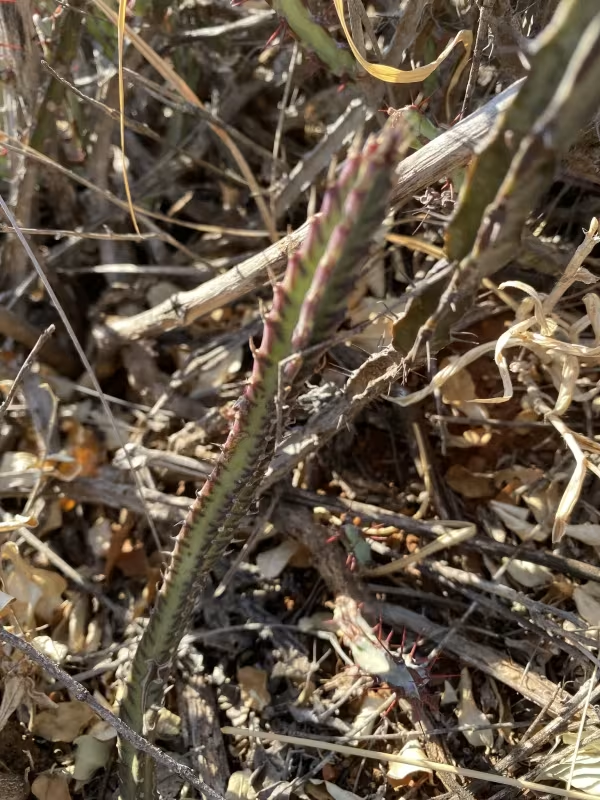
Kleinia stapeliiformis is a distinct succulent belonging to the Asteraceae family, native to the arid regions of Southern Africa. Its growth habit is characterized by upright, cylindrical, and mottled stems, which serve as a specialized mechanism for water storage in dry environments, making it a unique botanical specimen.
Agricultural requirements for this species focus heavily on high light intensity. It thrives best in bright, indirect sunlight, though it can tolerate a few hours of direct morning sun. Providing sufficient light is essential for maintaining the plant’s compact structure and vibrant, characteristic pigmentation on the stems.
Soil composition must prioritize drainage over fertility. A standard potting mix for cacti and succulents, amended with pumice, perlite, or coarse grit, is necessary to prevent water stagnation. The soil pH should ideally remain slightly acidic to neutral to ensure proper nutrient uptake.
Climatic preferences include a warm, active growing season with temperatures ranging from 22 to 28 degrees Celsius. During the winter, the plant enters a period of dormancy, requiring a significant reduction in ambient temperatures and minimal watering to prevent premature growth or metabolic stress.
Watering practices should strictly follow the soak-and-dry method. The substrate must be allowed to dehydrate completely between irrigation cycles. Overwatering is the most common mistake in cultivation, as excessive moisture leads to rapid root decline and stem tissue breakdown.
Main diseases and pests
The most significant threat to Kleinia stapeliiformis is root rot, typically caused by waterlogged soil and inadequate aeration. When the roots are deprived of oxygen, they become vulnerable to opportunistic fungi and bacteria, leading to the rapid decay of the basal stem tissues.
Mealybugs are the most frequent insect pest encountered by growers. They tend to settle in the grooves of the stems, making them difficult to detect and treat. Their feeding habits cause localized damage and can introduce viral or bacterial pathogens into the succulent structure.
Spider mites are another common issue, particularly in environments with poor humidity levels. These pests thrive on dry foliage, causing the epidermis of the stem to lose its healthy sheen and develop microscopic lesions, which may eventually lead to significant aesthetic damage.
Etiolation is a physiological issue caused by insufficient light, where the plant produces thin, weak growth that cannot support its own weight. This process depletes the plant's energy reserves and makes it more susceptible to environmental stressors and secondary infections.
Proactive management of these threats involves frequent monitoring and maintaining a balance between air circulation and temperature. If infestations occur, systemic insecticides or targeted biological controls should be implemented immediately to ensure the health and longevity of the crop.