
Kleinia isabellae
Kleinia isabellae
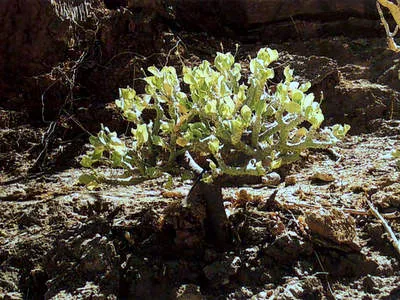
Description
Growing requirements
Kleinia isabellae is a succulent plant belonging to the Asteraceae family. Known for its distinct morphological structure, it serves as a unique specimen in both professional collections and private greenhouses.
The species originates from the arid regions of Southern Africa. Its growth habit is adapted to harsh, dry climates, requiring significant exposure to sunlight to maintain its structural integrity and vitality.
Regarding soil requirements, this plant demands excellent drainage. A gritty, mineral-based substrate containing pumice, sand, and perlite is essential to ensure that water does not accumulate around the root system.
Environmental conditions should mimic the plant's native habitat. During the active growing season, moderate temperatures are preferred, while a cool, dry rest period is vital for the plant to recover and cycle correctly.
Watering practices are critical for the health of Kleinia isabellae. It is essential to allow the growing medium to dry out completely between waterings to prevent root rotting and other physiological stress symptoms.
Main diseases and pests
Fungal infections, particularly root rot, are the primary threat to the health of this succulent. These issues are almost exclusively caused by overwatering or poor drainage systems in the container.
Mealybugs are the most common insect pests encountered when growing Kleinia. These insects hide in the tight spaces between leaves and stems, requiring diligent monitoring and prompt application of appropriate insecticides.
Spider mites can become problematic in environments with low relative humidity. Their presence is usually signaled by fine webbing and discoloration of the stem tissues, necessitating improved humidity control.
Poor ventilation can lead to the growth of various pathogens. Ensuring that the air circulates freely around the plant helps keep the stems dry and reduces the colonization of opportunistic pests.
Cultural prevention is the best strategy for managing threats. Maintaining a clean growing area, using sterilized tools for propagation, and observing proper watering intervals significantly reduce the risk of infestation.