
Kleinia aizoides
Kleinia aizoides
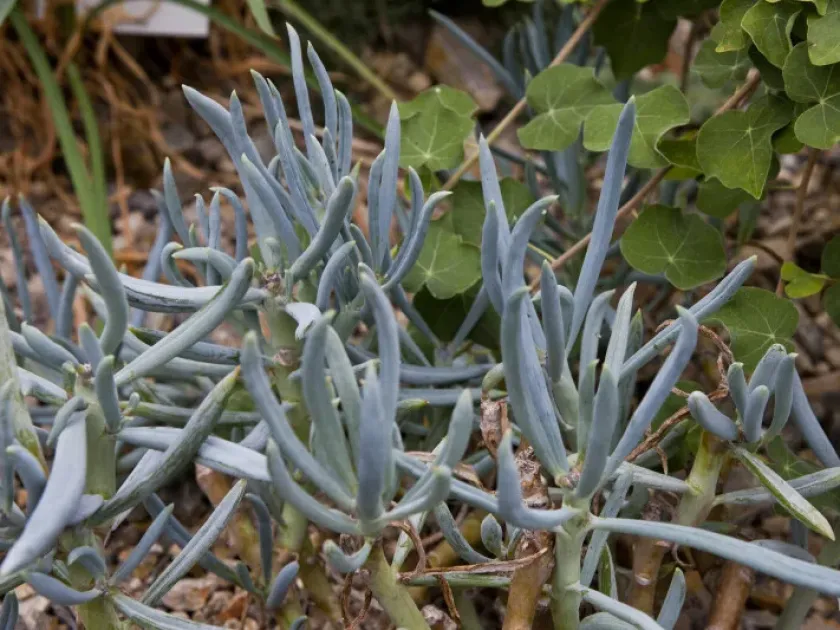
Description
Growing requirements
Kleinia aizoides, a member of the Asteraceae family, is a distinct succulent known for its adaptive biological mechanisms. The plant features fleshy, succulent leaves that serve as water storage reservoirs, allowing it to survive in challenging environments.
Native to the arid regions of Southern Africa, this species has evolved to thrive in nutrient-poor but highly porous substrates. Its development is characterized by slow growth rates and high tolerance to intense solar radiation.
Successful cultivation requires a location with maximum sunlight exposure. In professional agricultural or ornamental settings, providing a consistent light spectrum is essential to maintain the structural integrity and aesthetic shape of the succulent.
The planting substrate must be carefully selected to prioritize drainage. A professional mix should consist of mineral components such as pumice, coarse sand, and a small fraction of organic matter to mimic its natural rocky habitat.
Temperature management is crucial throughout the annual growth cycle. During the active season, the plant benefits from warm temperatures, while the dormant period requires a cooler climate to encourage natural physiological recovery.
Main diseases and pests
The most significant threat to Kleinia aizoides is root rot, frequently caused by excessive irrigation or poorly drained substrates. Pathogens such as Pythium thrive in wet conditions and can devastate a collection rapidly.
Mealybugs are the primary insect pests affecting this species. They hide in the compact junctions of the leaves, where their presence often goes unnoticed until the plant shows visible signs of decline or yellowing.
Spider mites represent a secondary threat, particularly when the cultivation environment is hot and dry. These pests cause discoloration and permanent damage to the delicate skin of the succulent leaves.
Maintaining proper air circulation is a key preventive measure against both fungal infections and mite infestations. Dense planting should be avoided to allow the foliage to remain dry after irrigation.
Regular inspection and the application of integrated pest management practices are essential. When infestations occur, systemic insecticides or targeted biological treatments should be employed to ensure the longevity of the plants.