
Kleinia barbertonica
Kleinia barbertonica
Description
Growing requirements
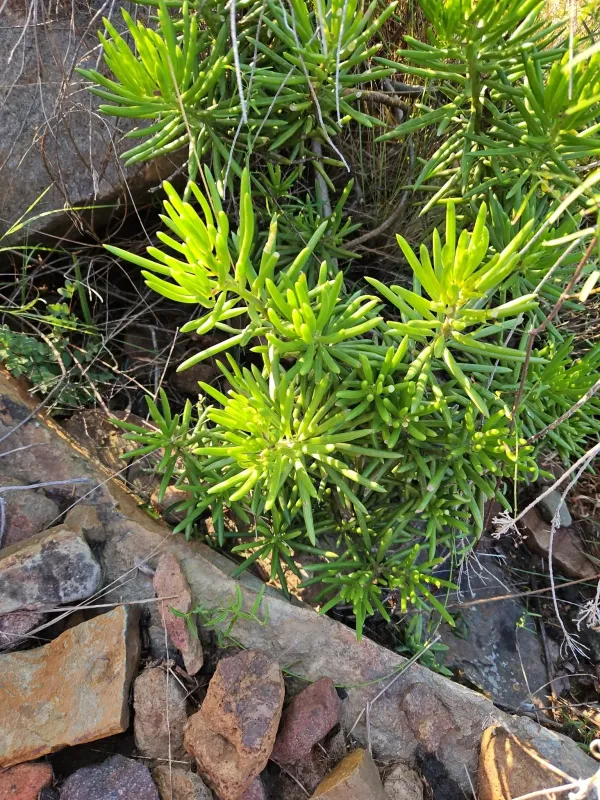
Kleinia barbertonica is a striking succulent shrub belonging to the Asteraceae family, native to the diverse landscapes of South Africa. The plant is well-regarded for its unique architectural form, featuring fleshy, cylindrical leaves clustered at the tips of upright, succulent stems.
This species thrives in bright, direct sunlight, which is essential to maintain its compact growth habit and vibrant green coloration. When placed in low-light environments, the stems tend to become leggy and structurally weak, detracting from its natural aesthetic.
The soil requirements are strict: the medium must be highly porous and fast-draining to prevent moisture retention near the roots. A standard cactus or succulent mix, amended with extra perlite or pumice, is the ideal choice for successful cultivation.
Watering should be approached with caution, utilizing the 'soak and dry' method. During the active growing season, allow the soil to dry out completely between waterings; in winter, during the dormancy phase, water should be significantly reduced to mimic natural dry cycles.
Temperature management involves keeping the plant in a warm environment during summer, ideally between +20°C and +28°C. During winter, a cooler, dry rest period ranging from +10°C to +15°C is beneficial to encourage overall health and potential blooming in the following season.
Main diseases and pests
Mealybugs are the most common pest for Kleinia barbertonica, often settling in the tight spaces between leaf clusters. Regular inspection and the use of horticultural oils or systemic insecticides are recommended for effective control.
Root rot remains the most significant threat to the plant's survival, caused primarily by overwatering or poorly draining substrate. If the base of the stem becomes soft or discolored, immediate action, including re-rooting healthy cuttings, is necessary.
Spider mites may become problematic in very dry and stagnant air, damaging the epidermis of the succulent leaves. Maintaining good air circulation and occasionally misting the area around the plant can help discourage these pests.
Fungal leaf spots can develop if the plant is exposed to high humidity and cold temperatures simultaneously. Avoiding overhead watering and ensuring the foliage stays dry is a key preventive measure against these infections.
Aphids can occasionally infest new growth during the spring season. While less common than on other plants, they can be easily managed by manual removal or the application of insecticidal soaps if the infestation persists.