
Kleinia repens
Kleinia repens
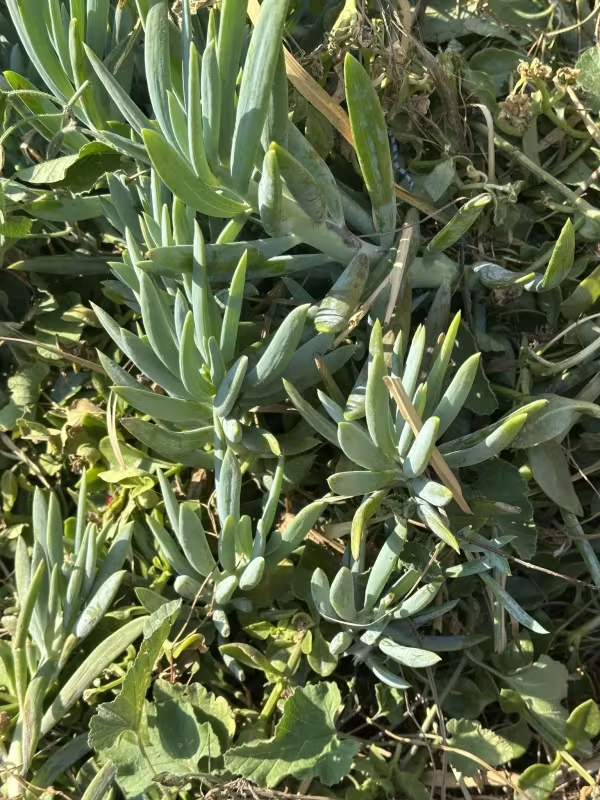
Description
Growing requirements
Kleinia repens, commonly known as blue chalk sticks, is a perennial succulent plant belonging to the Asteraceae family. Originating from the arid landscapes of South Africa, it is widely recognized for its striking glaucous, blue-tinted foliage and creeping growth habit.
The cultivation of this plant requires a substrate with excellent drainage properties, such as a mix of cactus soil and coarse grit. Preventing water stagnation is the most critical factor, as the species is highly susceptible to root decay if the soil remains waterlogged for extended periods.
Kleinia repens thrives in bright, direct sunlight, which is essential to maintain its vibrant color and compact structure. Insufficient light levels will cause the plant to etiolate, making the stems thin and brittle while losing the unique waxy layer that protects the leaves from desiccation.
Temperature requirements for this crop align with semi-arid environmental conditions. It performs best in temperatures ranging from +20°C to +25°C, but it is capable of tolerating mild cold snaps, provided the plant is kept dry to prevent internal freezing of cellular moisture.
In terms of agricultural and horticultural use, the species is highly valued for xeriscaping and sustainable landscaping due to its extreme drought tolerance. It is also a staple in the nursery industry, primarily produced for container gardening, hanging baskets, and decorative rock garden displays.
Main diseases and pests
Disease pressure is generally low if proper moisture levels are maintained; however, overwatering frequently leads to fungal pathogens like Phytophthora. Common pests include mealybugs and spider mites, which can be controlled through localized applications of insecticidal soaps or systemic treatments.