
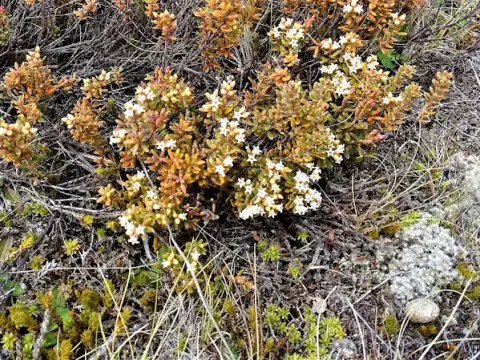
Kelleria
Kelleria
Kelleria is a genus of evergreen, low-growing shrubs belonging to the Thymelaeaceae family. While not a conventional agricultural crop, it remains a subject of botanical interest due to its specialized survival mechanisms in harsh mountain environments.
What the section contains


Kelleria
The native distribution of Kelleria is primarily concentrated in the high-alpine zones of New Zealand. These regions are characterized by rocky outcrops, cold winds, and significant diurnal temperature fluctuations, to which the plant has perfectly adapted.
Soil requirements for Kelleria involve well-drained, nutrient-poor substrates, often rocky or gravelly in composition. Unlike traditional field crops, this plant cannot tolerate heavy, water-logged soils or high levels of commercial nitrogen fertilization.
Climatic requirements are strictly related to temperate-alpine conditions. The plant thrives in environments with high humidity but requires significant air circulation to prevent fungal issues, making it unsuitable for hot, low-lying, or stagnant climates.
Botanical traits of the genus include compact, cushion-like growth patterns that provide protection against extreme weather. The leaves are typically small, leathery, and arranged in dense formations to minimize water loss, which is essential for survival in exposed alpine slopes.