
Gonystylus xylocarpus
Gonystylus xylocarpus
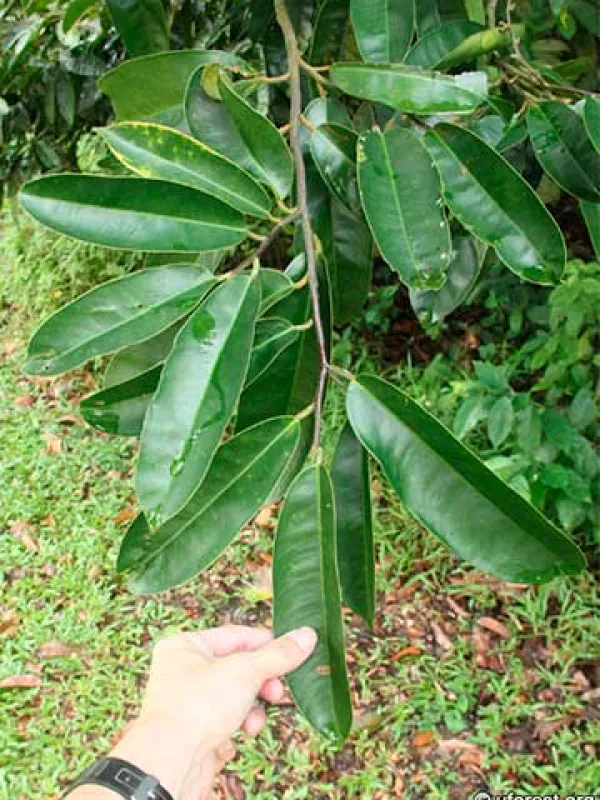
Description
Growing requirements
Gonystylus xylocarpus is a tree species belonging to the Thymelaeaceae family. It is natively found in the dense, moist tropical rainforests of Southeast Asia.
The species requires a strictly tropical environment with consistent year-round high temperatures, as it is highly sensitive to any form of temperature drop or frost.
High relative humidity is essential for the tree's development, necessitating regions with frequent and significant precipitation to maintain soil moisture levels.
For successful growth, it prefers deep, nutrient-rich soils that provide excellent drainage while retaining sufficient moisture to support the tree's substantial physiological needs.
As a forest-dwelling species, it typically requires shaded or semi-shaded conditions during its early growth stages, mimicking the canopy cover of a natural rainforest environment.
Yield
The primary economic value of Gonystylus xylocarpus lies in its timber, which is part of the group of woods internationally traded under the name ramin.
The wood is highly valued for its moderate density, consistent light color, and ease of machining, making it a preferred material for fine carpentry and woodworking.
Common applications for this wood include the manufacturing of premium furniture, interior molding, and decorative items that require a smooth, blemish-free finish.
Due to the slow growth rate of the tree, industrial cultivation is complex and requires long-term management strategies to ensure future supply and environmental stability.
International trade of related species is often strictly regulated to prevent over-exploitation and ensure that harvests are conducted in a sustainable and legal manner.
Main diseases and pests
The primary threat to the survival of Gonystylus xylocarpus is the loss of natural habitat caused by widespread deforestation and land conversion for agricultural use.
In its native environment, the tree is vulnerable to various fungal pathogens that thrive in high-humidity conditions and can cause decay in stems and root systems.
Various wood-boring insects act as significant pests, which can cause severe damage to the trunks, reducing the overall quality and economic utility of the timber.
Competition from fast-growing invasive plant species can hinder the establishment of seedlings, effectively suppressing the recruitment of new generations in the wild.
Disruptions in the local ecosystem, such as changes in natural water tables, can negatively impact the reproductive success and overall vitality of the remaining populations.