
Japanese raspberry
Rubus parvifolius L.
Description
Growing requirements
The Japanese raspberry (Rubus parvifolius L.) is a member of the Rosaceae family. It is a perennial shrub native to East Asia, including Japan, Korea, and China, known for its creeping habit and adaptability to various environmental conditions.
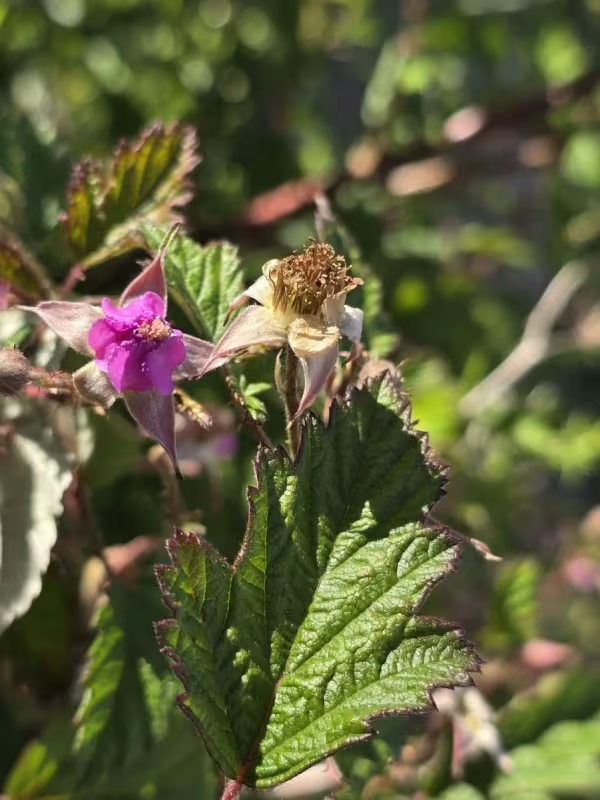
The plant features pinnate leaves with small serrated margins and flexible, arching stems that can span several meters. Its botanical structure makes it an excellent candidate for both ornamental ground cover and fruit production in temperate gardens.
Cultivation requires well-drained, fertile soil with a neutral to slightly acidic pH. While it is tolerant of diverse soil types, the plant thrives best when provided with consistent moisture and protection from waterlogged conditions, which can lead to root rot.
The species prefers sunny locations to maximize fruit production and maintain the health of the foliage. Adequate spacing is essential to ensure proper air circulation, which is a critical factor in preventing the development of fungal pathogens common to the genus Rubus.
General maintenance includes annual mulching to conserve soil moisture and suppress weed competition. While the plant is drought-tolerant once established, supplemental irrigation during the fruit-setting stage significantly improves yield and fruit quality.
Yield
The fruit of the Japanese raspberry is a small, bright red berry with a sweet-tart flavor profile. It is commonly used in various culinary applications, including jams, jellies, and as a natural flavor additive for desserts and beverages.
Yield capacity depends on the cultivar, site exposure, and age of the plant. Healthy, mature bushes can produce a reliable harvest throughout the mid-to-late summer season, making them a valued addition to hobby orchards.
Beyond its culinary utility, the plant has been traditionally utilized for its potential medicinal properties, particularly its leaves which are sometimes used in herbal preparations due to their antioxidant content.
In modern landscape design, this species is increasingly appreciated for its dual-purpose role: providing a harvestable crop while serving as an effective soil stabilizer for banks and sloped terrains due to its vigorous growth habit.
Ongoing interest in genetic diversity has led to research into the plant's resistance traits, ensuring that this species remains a valuable resource for cross-breeding programs aimed at improving commercial raspberry varieties.
Main diseases and pests
Common threats to the Japanese raspberry include fungal issues such as powdery mildew and leaf spot. These are primarily managed through proper pruning to remove overcrowded stems, thereby enhancing airflow within the canopy.
Pests like the raspberry beetle and spider mites can pose risks to the crop by damaging foliage and developing fruit. Integrated pest management practices, such as the introduction of beneficial predatory insects, are recommended for sustainable control.
Aphids can cause stress to the plant by feeding on new growth. Regular monitoring during the active growing season allows for early intervention with mild horticultural soaps or oil-based sprays before infestations become severe.
Root system health is vital; therefore, avoiding heavy, poorly drained clay soils is a preventive measure against root-borne diseases. Soil amendment with organic matter helps maintain a healthy balance of nutrients and microbes.
Viral infections may occur via insect vectors. Maintaining clean garden hygiene, including the prompt removal of infected plant debris, is essential for preserving the long-term health and productivity of the berry patch.
Harvesting
Harvesting should be performed systematically as the berries reach full maturity. They typically detach easily from the receptacle when ripe, requiring careful handling to prevent bruising the delicate flesh of the fruit.
The optimal time for harvest is early morning, as berries are cooler and less likely to deteriorate quickly. This practice is crucial for maintaining flavor integrity and extending the shelf life of the gathered produce.
Storage of fresh berries should be in a cool, ventilated area or refrigerated, as they are highly perishable. For extended use, immediate processing into preserves or freezing is strongly recommended to capture their peak quality.
Post-harvest care involves the removal of exhausted canes, which helps the plant redirect energy toward the growth of new, vigorous stems for the next season's production cycle.
Proper late-season preparation, including light fertilization and ensuring the plants are well-hydrated before winter dormancy, sets the stage for a successful and productive following year.