
Hibiscus sabdariffa
Hibiscus sabdariffa L.
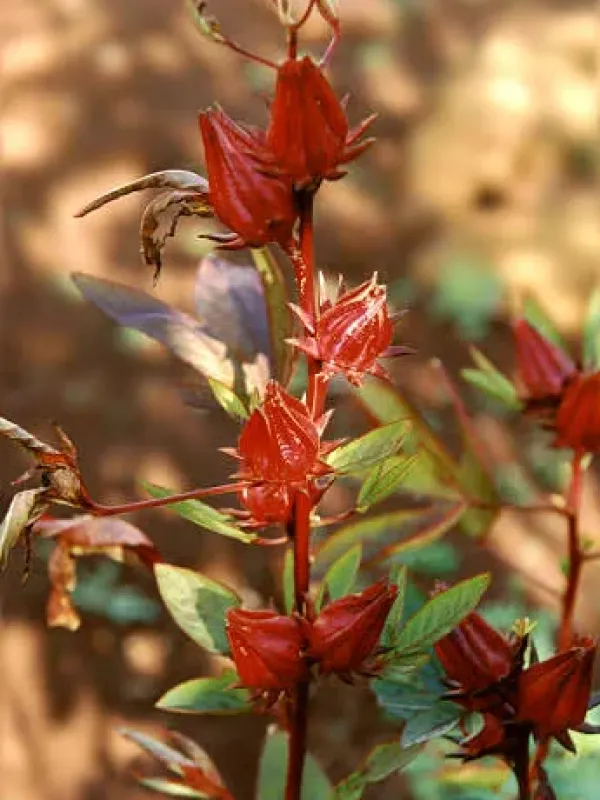
Description
Sowing dates
Hibiscus sabdariffa is a warm-weather crop, and sowing times are strictly determined by the local climate. In tropical regions, seeds are typically sown at the onset of the rainy season to ensure sufficient moisture for germination.
In temperate climates or greenhouse operations, seeds are started in trays 6-8 weeks before the last frost. The soil temperature must be consistently maintained between 22 and 25 degrees Celsius to encourage rapid sprouting.
Seeds should be planted at a depth of 1–2 centimeters in well-draining soil. Providing adequate spacing, typically 60 to 90 centimeters between rows, is essential to prevent overcrowding and ensure good air circulation as the plant matures.
Soaking seeds in lukewarm water for several hours before planting can significantly improve germination rates. Once seedlings reach a height of 10-15 centimeters, they can be thinned to allow stronger plants to develop properly.
Transplanting seedlings to an open field should only occur once the ground has warmed up and all danger of night frost has permanently passed.
Growing requirements
Belonging to the Malvaceae family, Roselle requires full sun exposure to thrive. Insufficient light levels will lead to leggy, weak plants and a significant reduction in the production of edible calyces.
The ideal soil for Hibiscus sabdariffa is fertile, loamy, and slightly acidic. Good drainage is non-negotiable; waterlogged soil leads to root rot and can quickly destroy an entire plantation if not managed correctly.
While the plant is somewhat drought-tolerant, consistent moisture is necessary during the active growth phase to produce large, succulent calyces. Drip irrigation systems are highly recommended for commercial production.
The plant grows best in temperatures ranging from 22 to 35 degrees Celsius. Extreme cold or strong, chilling winds will cause the plant to drop its buds prematurely, leading to severe yield loss.
Fertilization should focus on organic matter and balanced NPK ratios. Excessive nitrogen should be avoided during the flowering stage, as it promotes excessive leafy growth at the expense of fruit production.
Yield
The economic yield of Hibiscus sabdariffa is measured by the weight of the harvested calyces. Under optimal conditions, a well-managed hectare can produce between 500 and 1,500 kilograms of high-quality dried product.
Yield depends heavily on the specific cultivar and planting density. Modern intensive farming methods, including optimized nutrition and water management, can drastically outperform traditional subsistence farming.
Beyond the calyces, the seeds are harvested for their oil content, and the leaves are often used as a nutritious vegetable in various traditional cuisines around the world.
Harvesting is usually a labor-intensive process, as calyces ripen over several weeks. Hand-picking is the standard method to ensure that only fully matured, healthy calyces are collected.
When grown as an annual crop in shorter-season climates, yield potential is naturally capped by the growing window, making the choice of early-maturing varieties critical for farmers.
Main diseases and pests
Nematodes are among the most dangerous soil-borne pests for Roselle, as they damage the root system and stunt growth. Crop rotation with non-host plants is the most effective preventative measure.
High humidity and poor airflow make the plant susceptible to fungal diseases like powdery mildew and leaf spot. Proper spacing and weed control are essential for managing these risks naturally.
Aphids and spider mites are common pests that feed on the soft tissue of new leaves and buds. Integrated Pest Management (IPM) practices, including the use of neem oil or biological predators, are preferred.
Bacterial blight can occur in wet conditions, often introduced through insect bites. Prompt removal and destruction of affected plant parts are necessary to prevent the spread of the infection.
Weed management during the early stages is crucial, as young hibiscus plants compete poorly with aggressive weeds for water and nutrients. Mechanical cultivation between rows is often practiced.
Harvesting
Harvesting usually begins 15–20 days after the flower petals fall, when the calyces have become thick, fleshy, and deep red in color. Delaying harvest leads to tougher, lower-quality fiber.
Calyces are harvested by hand using sharp blades or shears to cut the fruit from the stem. Care must be taken not to damage the main plant to encourage continued production where the climate allows.
The harvested fruit must be processed immediately by removing the inner seed pod. This separation is vital to prevent spoilage and fermentation of the moisture-rich calyx tissue.
Drying is performed in shaded, well-ventilated areas or in controlled-temperature dryers below 45 degrees Celsius. Avoiding direct sunlight is essential to preserve the vibrant red color and vitamin content.
Once dried to a moisture content below 10%, the product should be stored in airtight containers in a cool, dark environment to maintain its shelf life and distinct flavor profile.