
Jacobaea uniflora
Jacobaea uniflora
Description
Growing requirements
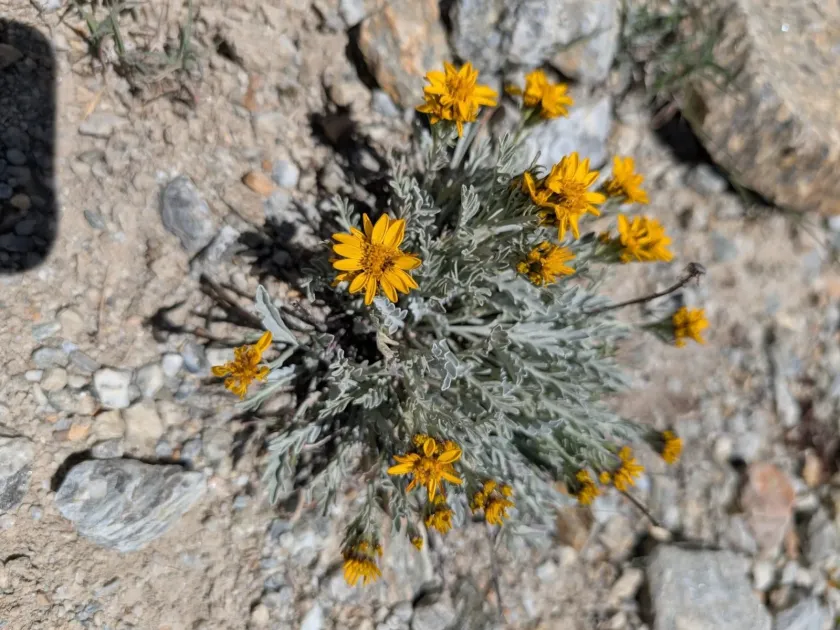
Jacobaea uniflora, commonly known as the single-flowered ragwort, is a herbaceous perennial belonging to the Asteraceae family. This species originates from alpine mountain ranges, where it has evolved to thrive in harsh, high-altitude environmental conditions.
Botanically, the plant is distinguished by its basal leaf rosette and solitary flower heads, which are highly efficient adaptations for survival in cold and windy habitats. Its root system is deep and penetrating, designed for anchorage in rocky terrain.
In cultivation, the species demands a well-drained substrate, ideally mimicking the stony, nutrient-poor soil of its natural habitat. Avoid rich, water-retentive garden soils, as these often lead to physiological imbalances in the plant.
Sunlight requirements are rigorous; Jacobaea uniflora requires full sun exposure to maintain its compact growth form and prevent etiolation. Lack of sufficient light intensity significantly reduces the plant's metabolic activity.
Regarding climate, the plant exhibits a high tolerance for temperature fluctuations but requires good air circulation. It is essential to prevent extreme heat buildup at the root level during summer months to ensure plant longevity.
Main diseases and pests
The primary threats to Jacobaea uniflora are moisture-related pathologies, such as fungal root rot and crown rot. These conditions become prevalent if the soil drainage is inadequate or if ambient humidity remains consistently high.
Pests that commonly affect this plant include soil-dwelling larvae that attack the root system, as well as aphids during the active flowering phase. These pests can weaken the plant, making it more susceptible to opportunistic secondary infections.
Disease management should focus on prevention through structural soil modification. Using inorganic mulches, like gravel or grit, can help keep the plant crown dry and minimize contact with soil-borne pathogens.
Chemical control should be approached with caution, as the species may be sensitive to standard pesticides. Always test treatments on a small portion of the crop before applying them to the entire area.
Maintaining proper spacing between individual plants is crucial to ensure adequate airflow. This simple practice significantly reduces the risk of leaf spot diseases and other airborne fungal issues in the nursery or garden environment.