
Jacobaea arnautorum
Jacobaea arnautorum
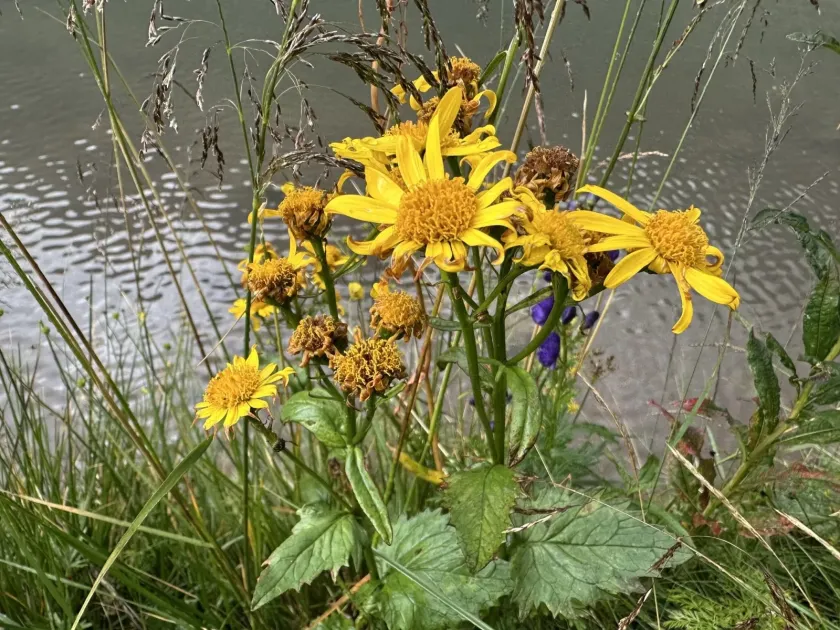
Description
Sowing dates
Jacobaea arnautorum, a member of the Asteraceae family, is a perennial plant, and the optimal sowing time is during the spring when soil temperatures reach 10–12 degrees Celsius.
For indoor propagation, seeds should be sown in March to ensure a robust seedling development before transplanting into the open field once the frost risk has passed.
Direct sowing in outdoor soil is possible after the final spring frosts, as cold weather can be detrimental to the tender, newly emerged plant shoots.
Autumn sowing allows for natural seed stratification in the soil, which often results in more vigorous spring germination, provided the area is protected from deep freezing.
Proper seed placement depth is essential, as the fine seeds require only a light covering of moist substrate to germinate effectively and maintain surface contact.
Growing requirements
This species thrives in well-drained, fertile soils with a neutral pH, reflecting its evolutionary adaptation to specific landscape niches within the Asteraceae family.
Optimal growth occurs in sunny locations with full sun exposure, which ensures the plant develops a dense, healthy structure and produces high-quality floral displays.
While the plant shows notable drought tolerance once established, consistent soil moisture during the peak summer months is vital for maximizing biomass and bloom duration.
The ideal temperature range for active development is between 18 and 25 degrees Celsius, though the mature plant is generally hardy and resilient to moderate temperature fluctuations.
Regular maintenance, including soil aeration and weed control, is necessary to provide the root system with sufficient oxygen and to minimize nutrient competition from invasive species.
Yield
In agricultural and horticultural contexts, the yield of Jacobaea arnautorum is measured by the density and longevity of its floral output, which is highly valued in landscape design.
Planting density is a key factor; spacing the plants 30–40 centimeters apart ensures that each individual has enough space to thrive without overcrowding and resource competition.
Regular deadheading of faded blooms is a recommended practice to prevent seed set, thereby redirecting the plant's energy toward continuous flowering and foliage maintenance.
Sustainable productivity is achieved through balanced mineral fertilization, which supports the development of new flowering buds throughout the entire vegetative season.
The plant's ability to maintain decorative value over several years makes it a reliable choice for long-term landscaping projects that prioritize aesthetic consistency.
Main diseases and pests
The primary threats to Jacobaea arnautorum include powdery mildew and other fungal diseases, which are exacerbated by high humidity levels and poor airflow within the planting site.
Pests such as aphids can occasionally colonize young shoots, requiring proactive monitoring and potential treatment with biological pest control agents to preserve plant vigor.
Root rot is a significant risk in poorly drained soils, making it essential to avoid overwatering and to ensure that the site has a natural or artificial drainage system.
Integrating cultural practices like thinning and maintaining appropriate spacing helps to reduce the microclimate humidity that often triggers disease outbreaks.
- Regular inspection of leaf surfaces for signs of pests.
- Prompt removal of diseased plant parts.
- Application of balanced organic fertilizers to boost natural resistance.
Harvesting
Harvesting for ornamental purposes should occur during the peak bloom phase, when flowers have fully opened and their color intensity is at its highest level.
For seed collection, the harvest should be timed once the seed heads show signs of maturation, usually indicated by a change in texture and color of the flower baskets.
All harvesting activities should be performed during dry, calm weather to prevent moisture buildup that could lead to mold development during the drying process.
Post-harvest treatment involves drying the material in well-ventilated, shaded areas, which ensures the longevity and viability of the collected seeds for future planting.
Efficient management of the harvesting process is fundamental for maintaining the purity of the plant stock and ensuring high performance in the subsequent growing cycles.