
Jacobaea ambigua
Jacobaea ambigua
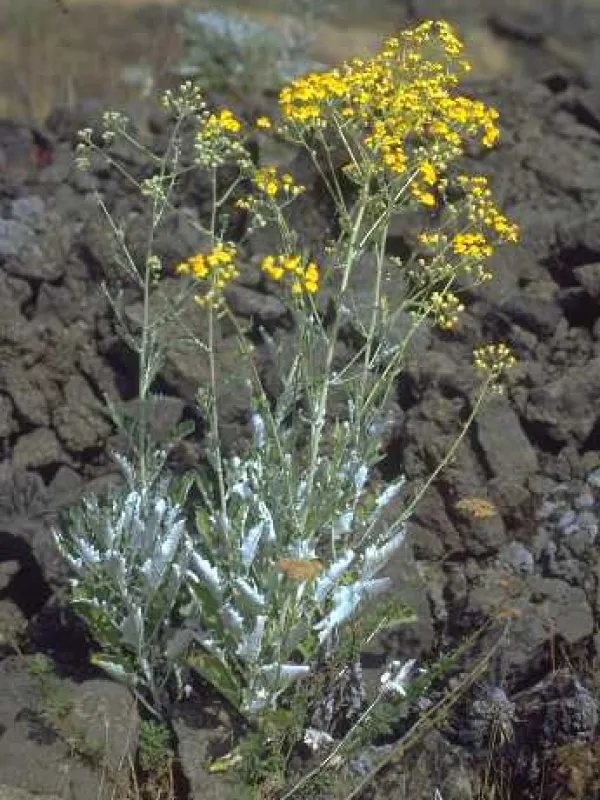
Description
Sowing dates
Sowing Jacobaea ambigua is typically done using seeds in the early spring, ensuring a favorable microclimate for the initial growth stages. Greenhouse cultivation for seedling production is recommended to maintain stable germination temperatures.
Direct outdoor sowing should be reserved for periods when soil temperatures have consistently reached at least 12-15 degrees Celsius. Ensuring the seedbed is finely prepared allows for uniform germination and prevents deep-seated moisture stress.
Seed depth should not exceed 1 centimeter, as light is a critical factor for the biochemical activation of the embryos. Covering with a thin layer of vermiculite can help maintain humidity while allowing sufficient light penetration.
Standard spacing guidelines suggest keeping plants about 30 cm apart to ensure adequate airflow, which is crucial for preventing fungal stagnation. This spacing also facilitates mechanical weeding operations during the early weeks of development.
Growth progression requires consistent care, particularly in regulating irrigation during the first month. Once established, the plants develop a robust root architecture that allows for more flexible management and less frequent interventions.
Growing requirements
As a member of the Asteraceae family, Jacobaea ambigua thrives in full sun exposure. It is highly adapted to environments where solar radiation is consistent, which optimizes photosynthesis and enhances the plant's natural structural integrity.
The plant prefers well-drained soil types, specifically sandy or loamy textures with a neutral pH. It is particularly sensitive to waterlogged conditions, which can lead to hypoxia in the root zone and subsequent physiological decline.
Jacobaea ambigua is noted for its high drought tolerance once fully established. This trait makes it a suitable candidate for xeriscaping or areas where water conservation is a priority in agricultural management plans.
Temperature requirements are moderate, with optimal development occurring between 18 and 25 degrees Celsius. While it can withstand mild fluctuations, prolonged frost can cause damage to the foliage, necessitating protective measures in cooler regions.
Nutritional needs are satisfied by basic phosphorus and potassium applications, as the plant does not require heavy nitrogen loading. Over-fertilization can result in excessive vegetative growth at the expense of root system stability and overall health.
Main diseases and pests
Fungal pathogens such as root rot represent the primary threat to the crop, especially in conditions of excessive soil moisture. Proper drainage and site selection are the most effective preventative strategies against these issues.
Insect pests, including aphids and spider mites, can cause significant damage during the hot, dry summer months. Regular field monitoring is essential to detect early infestations before they reach economic damage thresholds.
Powdery mildew may manifest as a localized infection on the foliage when humidity levels remain high for extended periods. Implementing proper spacing and thinning helps mitigate the risk of these infections by improving air circulation.
Soil-dwelling larvae can periodically impact younger plants by feeding on root tips. Treating the soil or using physical barriers around the base of the plant can prove effective in reducing the impact of these pests.
Integrated pest management (IPM) practices, including the use of beneficial insects and targeted biological controls, are highly recommended to maintain plant health while minimizing chemical input in the field.